Table of Contents
ToggleIntroduction
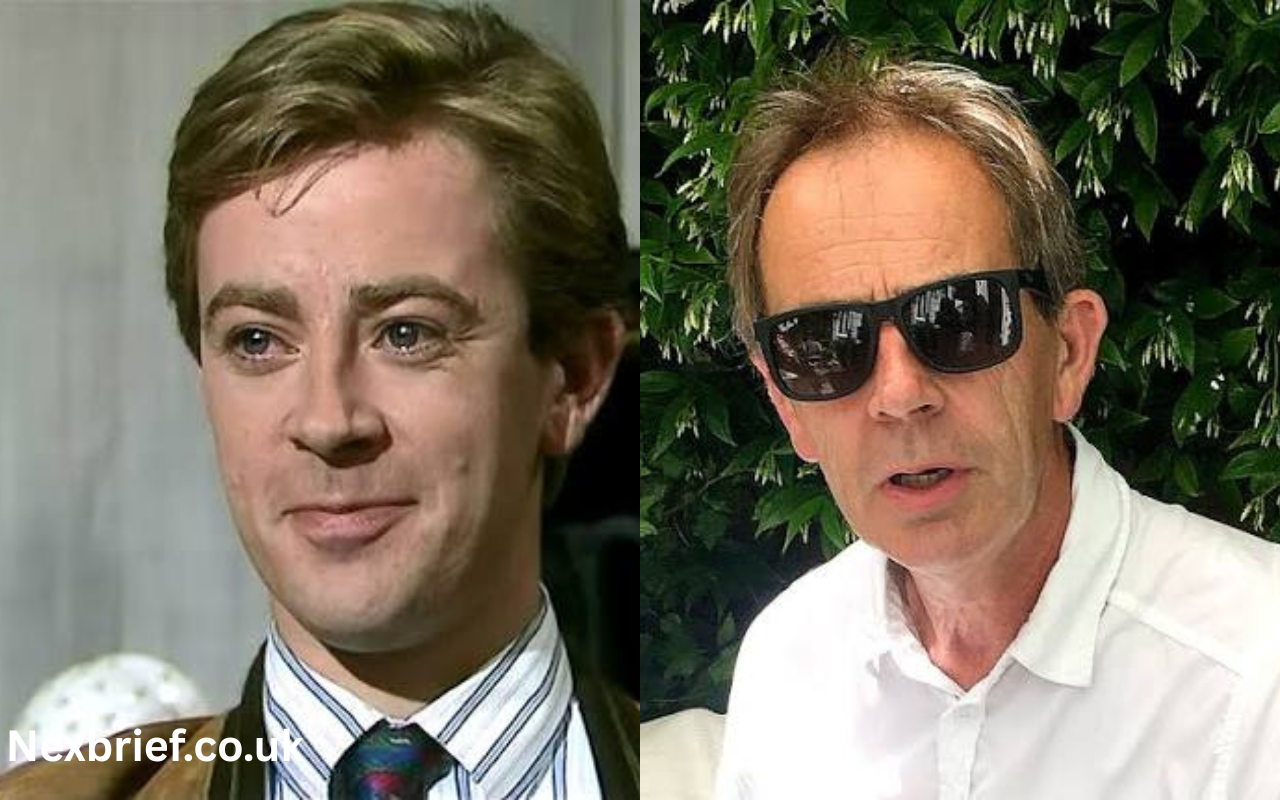
Edward Highmore may not be as widely recognized as some of today’s leading British actors, but his contribution to television and film deserves genuine appreciation. Best known for his memorable role as Leo Howard in the popular BBC drama Howards’ Way, Highmore built a respectable acting career during the 1980s and early 2000s before quietly stepping away from the spotlight. While many younger audiences know him as the father of acclaimed actor Freddie Highmore, Edward established his own identity in the entertainment industry long before his son’s international success.
His journey reflects the story of a talented performer who valued professionalism over celebrity status. Rather than chasing constant media attention, he focused on delivering solid performances across television dramas, historical productions, and feature films. His work demonstrated versatility, allowing him to portray characters ranging from dramatic leads to memorable supporting roles. This steady career earned him the respect of colleagues and audiences alike.
Today, Edward Highmore remains an interesting figure in British entertainment history. His career, family life, and influence on the next generation of actors continue to attract curiosity from fans around the world. His story is one of dedication, consistency, and quiet success—qualities that have helped preserve his legacy long after retiring from professional acting.
Early Life and Family Background
Edward Thomas Highmore was born on 3 April 1961 in Kingston upon Thames, England, where he spent his childhood before pursuing a professional career in acting. Growing up in Britain during a period when television drama was rapidly evolving gave him an early appreciation for storytelling and performance. Although Edward has always maintained a private life and has rarely spoken publicly about his upbringing, it is known that he came from a supportive family that encouraged education and personal development. His father worked as an accountant rather than in the entertainment industry, meaning Edward carved out his acting career largely through his own determination and talent.
Unlike many actors who begin performing as children, Edward’s route into the profession was shaped through formal training and a genuine passion for theatre. He was drawn to acting because of its creative challenges and the opportunity to portray different personalities on screen. Friends and colleagues have often described him as thoughtful, professional, and dedicated to his craft. Those qualities became defining characteristics throughout his career, helping him earn steady work in British television at a time when competition among actors was particularly strong.
His personal life later became closely connected to the entertainment industry through his marriage to Sue Latimer, one of Britain’s respected talent agents. Together they raised two sons, Freddie Highmore and Bertie Highmore. While Freddie would go on to become an internationally recognized actor through projects such as Charlie and the Chocolate Factory, Bates Motel, and The Good Doctor, Edward had already built a respected television career of his own years before his son’s breakthrough. The Highmore family has remained notably private despite their strong connections to film and television.
Education and Acting Training
Edward Highmore understood early that professional acting required more than natural talent. To refine his skills, he enrolled at the Guildford School of Acting (GSA), one of the United Kingdom’s most respected performing arts institutions. The academy has produced numerous successful actors who have worked across theatre, television, and cinema, and Highmore became one of its notable alumni. His years at GSA provided him with structured training in stage performance, voice control, movement, and character development, preparing him for the competitive entertainment industry.
His education played a significant role in shaping his professional approach. Rather than relying solely on charisma, Highmore developed a disciplined acting style that allowed him to adapt comfortably between drama, historical productions, fantasy series, and family entertainment. Casting directors appreciated his reliability, while audiences connected with the authenticity he brought to his performances. This strong educational foundation would prove valuable throughout his television career during the 1980s and 1990s.
Although Edward eventually stepped away from acting, his appreciation for the profession never disappeared. His experience and industry knowledge also benefited his family. He even appeared alongside his son Freddie in the television miniseries Jack and the Beanstalk: The Real Story, where they played father and son, creating a memorable family collaboration on screen. Beyond acting, Edward also contributed behind the scenes by coaching Freddie during the production of Arthur and the Minimoys (Arthur and the Invisibles), demonstrating his continued passion for performance even after reducing his on-screen work.
Acting Career and Rise in British Television
Edward Highmore officially began his acting career in the early 1980s after graduating from the Guildford School of Acting. Like many aspiring British performers, he started with smaller television roles that allowed him to gain practical experience in front of the camera. His first notable appearance came in the classic science-fiction series Doctor Who, where he portrayed Malkon in the 1984 serial Planet of Fire. Although it was an early role, appearing in one of Britain’s most iconic television franchises introduced him to a wider audience and demonstrated his ability to perform in both dramatic and fantasy settings.
During this period, Highmore also appeared in television productions including Lame Ducks and The Tripods, steadily building a reputation as a dependable young actor. These roles may not have made him an overnight celebrity, but they showcased his versatility and willingness to take on different kinds of characters. Casting directors appreciated his natural acting style, calm screen presence, and professional attitude, qualities that would later help him secure much larger opportunities.
Unlike many performers who focused only on high-profile productions, Edward concentrated on improving his craft with every project. His gradual rise reflected the traditional path followed by many respected British actors—earning recognition through consistent performances rather than media attention. This patient approach eventually led to the breakthrough role that defined his acting career.
Breakthrough Success with Howards’ Way
Edward Highmore achieved his biggest professional breakthrough when he was cast as Leo Howard in the BBC drama series Howards’ Way, which aired from 1985 to 1990. The series became one of Britain’s most popular television dramas of the decade, often compared to glamorous American soap operas like Dallas and Dynasty. Set around the boating and business communities on England’s south coast, the show attracted millions of viewers and enjoyed strong international success.
As Leo Howard, Edward portrayed the son of Tom and Jan Howard, one of the central families around whom the series revolved. His character experienced personal growth, family conflicts, romance, and the challenges of adulthood, allowing Highmore to demonstrate emotional depth across the show’s six-season run. Appearing in all 78 episodes, he became one of the drama’s most familiar faces and developed a loyal following among viewers who appreciated his believable and relatable performances.
The success of Howards’ Way significantly raised Edward’s profile within the British television industry. While he remained modest about his achievements, the role established him as a respected television actor capable of carrying long-running dramatic storylines. Even decades after the series concluded, Leo Howard remains the character most closely associated with Edward Highmore’s career, and the show continues to be remembered as a classic of 1980s British television.
Film, Television, and Career Beyond His Signature Role
Following the popularity of Howards’ Way, Edward continued working across television films, historical dramas, and feature films. Rather than limiting himself to one genre, he accepted a variety of supporting roles that allowed him to explore different styles of acting. His credits include appearances in Heidi, The Politician’s Wife, No Child of Mine, The 10th Kingdom, and the Academy Award-winning historical drama Elizabeth, where he portrayed Lord Harewood. These projects demonstrated his flexibility and commitment to quality productions.
One particularly meaningful project came in 2001, when Edward appeared alongside his son Freddie Highmore in the fantasy miniseries Jack and the Beanstalk: The Real Story. Playing father and son on screen mirrored their real-life relationship, making the production especially memorable for fans. A few years later, Edward also contributed behind the scenes by coaching Freddie during the production of Arthur and the Invisibles, reflecting his continued passion for acting even as he gradually stepped away from performing himself.
Edward’s final credited acting appearance came in the comedy film Ali G Indahouse (2002), after which he quietly retired from acting. Unlike many performers who remain constantly in the public eye, Highmore chose a more private life focused on family. Although his acting career was relatively modest in terms of volume, the quality and consistency of his performances earned lasting respect within British television, and his body of work continues to be appreciated by audiences discovering his performances today.
Major Achievements, Recognition, and Lasting Impact
Edward Highmore’s career may not have been defined by dozens of awards or blockbuster headlines, but his achievements lie in the consistency and quality of his work. During the 1980s and early 2000s, he became a familiar face on British television through appearances in respected productions that ranged from science fiction and historical dramas to family entertainment. His portrayal of Leo Howard in Howards’ Way remains his most celebrated performance and continues to be remembered by fans of classic British television.
Another notable milestone in his career was appearing in the legendary television series Doctor Who, one of Britain’s most influential science-fiction franchises. Although his role as Malkon in Planet of Fire was relatively brief, being part of such an iconic production introduced his work to an even broader audience. His film credits, including Elizabeth, The 10th Kingdom, Jack and the Beanstalk: The Real Story, and Ali G Indahouse, further demonstrated his ability to work across different genres and alongside accomplished actors.
Perhaps Edward’s greatest legacy is the influence he had on the next generation of performers. As the father of internationally acclaimed actor Freddie Highmore, he offered guidance, encouragement, and even professional coaching during Freddie’s early career. Rather than competing with his son’s growing fame, Edward quietly supported his development behind the scenes, reflecting both his generosity and his love for the craft of acting. His contribution to British entertainment therefore extends beyond his own performances to the success of one of today’s most respected actors.
Career Highlights
Some of Edward Highmore’s most notable career accomplishments include:
- Starred as Leo Howard in the BBC drama Howards’ Way (1985–1990).
- Appeared as Malkon in the classic Doctor Who serial Planet of Fire.
- Featured in acclaimed productions such as Elizabeth, The 10th Kingdom, Heidi, and No Child of Mine.
- Shared the screen with his son Freddie Highmore in Jack and the Beanstalk: The Real Story.
- Worked as an acting coach for Freddie during the production of Arthur and the Invisibles.
Personal Life, Marriage, and Family
Away from cameras and film sets, Edward Highmore has always preferred a quiet and private lifestyle. Unlike many actors who frequently appear in interviews or social events, he has consistently kept his personal affairs out of the public eye. This privacy has earned him respect within the entertainment industry, where he is known more for his professionalism than for celebrity culture. Even after retiring from acting, Edward has remained largely absent from public appearances, choosing instead to focus on family life.
Edward is married to Sue Latimer, one of Britain’s most respected talent agents. Throughout her career, Sue has represented numerous successful actors, including Daniel Radcliffe, helping shape some of the biggest careers in British entertainment. Their marriage reflects a shared commitment to the creative arts, with Edward contributing as an actor and Sue working behind the scenes to support performers. Together, they have built a close-knit family that values privacy despite its strong ties to the entertainment industry.
The couple has two sons: Freddie Highmore and Bertie Highmore. Freddie has become one of Britain’s most recognizable actors through films such as Charlie and the Chocolate Factory, Finding Neverland, and television series including Bates Motel and The Good Doctor. Bertie briefly worked as an actor before pursuing a more private path. Despite the family’s fame, the Highmores have largely avoided the spotlight outside their professional work, making them one of the entertainment industry’s more private families.
Net Worth and Sources of Income
Edward Highmore has never publicly disclosed his financial assets, salary, or investments, making it impossible to determine his exact net worth with certainty. Unlike many modern celebrities, he has always maintained a private lifestyle and has not participated in endorsement campaigns or commercial ventures that typically attract media attention. As a result, there are no verified financial records available regarding his personal wealth.
Based on his long-running television career, appearances in successful British productions, feature films, and decades of professional work in the entertainment industry, various entertainment websites estimate that his net worth is likely in the low millions of pounds. However, these figures remain speculative and should not be treated as confirmed facts because Edward himself has never commented publicly on his finances.
Throughout his acting career, his income primarily came from several sources:
- Television drama series
- Feature films
- Television movies and miniseries
- Residual royalties from repeat broadcasts
- Occasional acting-related work, including coaching and mentoring
Although Edward retired from acting years ago, his work continues to be appreciated by audiences who discover classic British television through streaming services and home media collections.
Social Media Presence and Public Image
Unlike many actors of the digital era, Edward Highmore does not maintain verified public accounts on Instagram, X (formerly Twitter), Facebook, LinkedIn, or TikTok. He has chosen to stay away from social media and keeps his personal life almost entirely private. This decision reflects the values of many actors from his generation, who built successful careers long before social media became central to celebrity culture.
Instead of communicating directly with fans online, Edward’s work continues to reach audiences through his television series and films. Many admirers discuss his performances on fan websites, television forums, and entertainment communities, particularly those dedicated to classic BBC dramas and Doctor Who. His role in Howards’ Way remains especially popular among viewers who grew up watching the series during the 1980s.
Today, much of the public interest surrounding Edward Highmore comes through his family’s achievements, especially the international success of his son Freddie Highmore. Nevertheless, longtime television fans continue to recognize Edward for his own contributions rather than simply as the father of a famous actor.
Recent Life and What Is Edward Highmore Doing Today?
Since retiring from professional acting after 2002, Edward Highmore has remained largely out of the public spotlight. There have been no announcements suggesting a return to television or film, and he has deliberately chosen a quieter life centered on family rather than celebrity. Public appearances have been extremely rare, reinforcing his reputation as one of Britain’s more private former actors.
Although Edward is no longer active on screen, his influence continues through the success of Freddie Highmore. Freddie has often been praised for his professionalism, thoughtful performances, and grounded personality—qualities many observers believe reflect the supportive environment in which he was raised. Edward’s experience as an actor undoubtedly provided valuable guidance during Freddie’s early years in the entertainment industry.
Fans still revisit Edward’s performances through reruns of Howards’ Way, classic Doctor Who episodes, and his other television projects. His body of work remains an important part of British television history and continues to introduce new generations to his understated but effective acting style.
Legacy and Conclusion
Edward Highmore’s career demonstrates that lasting success in the entertainment industry is not measured solely by awards, headlines, or constant publicity. Instead, his journey highlights the importance of dedication, professionalism, and a genuine passion for acting. Over the course of more than two decades, he established himself as a dependable performer whose work enriched numerous British television productions and films.
His portrayal of Leo Howard in Howards’ Way remains one of the defining performances of 1980s British television, while his appearances in productions such as Doctor Who, Elizabeth, and The 10th Kingdom showcased his versatility across multiple genres. Equally significant is the role he played as a mentor and supportive father to Freddie Highmore, helping nurture one of Britain’s most successful contemporary actors.
As Edward Highmore continues to enjoy a private life away from the cameras, his career stands as a reminder that true success often comes through consistency, integrity, and quiet excellence. His story inspires aspiring actors to focus on developing their craft, embracing new opportunities, and building a career based on talent rather than fame. Through his performances and the legacy he has passed on to the next generation, Edward Highmore remains a respected figure in British television history whose influence continues to be felt today.