




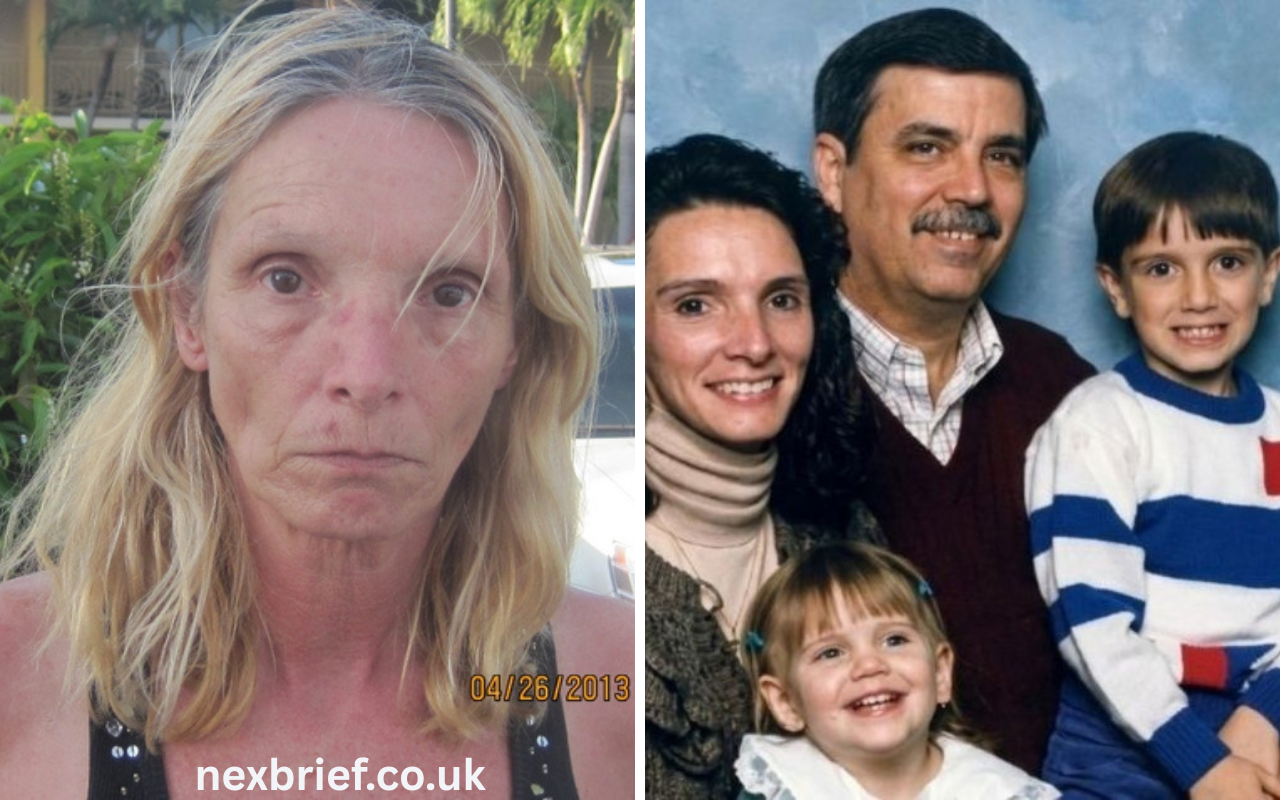
Brenda Heist True Story: The Full Mystery of Her 11-Year Disappearance and Sudden Return
Brenda Heist’s disappearance in 2002 remains one of the most puzzling missing-person cases in Pennsylvania history. She was a 39-year-old mother living in Lititz who suddenly vanished after dropping her children off at school. What made the case unusual was the complete lack of warning signs or evidence of forced abduction, leaving investigators confused from the very beginning. Her routine life seemed stable on the surface, making her sudden absence even harder to understand.
Authorities quickly began searching for clues, but the early stages of the investigation revealed very little. There were no clear financial red flags, no farewell messages, and no confirmed sightings after that morning. This absence of evidence created a mystery that only deepened as days passed. For law enforcement, the case became a priority missing-person investigation.
As time went on, Brenda Heist’s case turned into a long-term mystery that drew occasional media attention but no solid breakthroughs. Her disappearance became symbolic of how quickly an ordinary life can turn into an unsolved enigma. The uncertainty surrounding her fate would last for more than a decade.
Life Before the Vanishing
Before she disappeared, Brenda Heist lived a life that appeared normal from the outside. She was a mother of two children and was navigating the responsibilities of family life while also dealing with personal challenges. Friends and reports later suggested that she was under emotional strain, especially related to marital difficulties and financial pressure.
Her marriage was reportedly going through a difficult phase, and separation issues added further stress to her daily life. Like many individuals facing emotional overload, she was balancing responsibilities that may have felt increasingly overwhelming. Although she continued her daily routine, internal struggles were becoming more significant over time.
Despite these pressures, there were no obvious signs that she intended to leave permanently. She continued her role as a mother and maintained her household responsibilities. This contrast between outward normalcy and inner distress later became an important part of understanding her sudden disappearance.
The Day She Disappeared and Early Investigation
On the day Brenda Heist vanished, she followed her usual routine of taking her children to school. After that moment, she was never seen returning home. This abrupt disappearance without any trace immediately raised concerns among her family and authorities. It did not match typical patterns of planned runaway cases or sudden relocation.
Police began investigating quickly, interviewing family members, neighbors, and acquaintances to understand what might have happened. However, no solid evidence emerged in the early stages. There were no confirmed sightings, no major digital footprints at the time, and no indication of travel plans, which made the case especially difficult.
As days turned into weeks, investigators expanded their search, but leads continued to dry up. The absence of physical or digital clues led authorities to consider multiple possibilities, including abduction. However, without evidence, the case slowly transitioned into an unsolved missing-person file.
Family Struggle and Search Efforts
For Brenda Heist’s family, the disappearance created an immediate emotional crisis. Her children were left without their mother, and her husband faced the confusion of trying to understand what had happened. The sudden nature of her disappearance left no room for preparation or closure.
Search efforts continued with the help of law enforcement and community support. Flyers, interviews, and public appeals were used in hopes of finding any trace of her whereabouts. Despite these efforts, the lack of credible leads made progress extremely slow and emotionally draining for everyone involved.
Over time, the emotional toll deepened. Families of missing persons often experience prolonged uncertainty, and Brenda Heist’s case became a painful example of that reality. As years passed without answers, hope gradually faded, though questions remained unresolved.
Years of Silence and Legal Declaration of Death
As time passed with no evidence of Brenda Heist’s location, her case grew colder. Authorities continued to classify her as missing, but eventually, the legal system allowed for a declaration of presumed death after several years of absence. This step is often taken when there is no sign of life or activity for an extended period.
In 2009, she was legally declared dead, a decision that brought emotional and legal closure for some aspects of the case but deepened the emotional impact on her family. This declaration affected financial matters, insurance considerations, and personal closure processes.
Despite this legal conclusion, uncertainty still lingered emotionally for her loved ones. The absence of definitive answers meant that questions about what truly happened remained unresolved, even though the legal system had moved forward.
Unexpected Reappearance in Florida
In 2013, Brenda Heist shocked authorities and her family when she reappeared in Florida. She approached law enforcement and identified herself, confirming that she was the same woman who had disappeared more than a decade earlier. This moment immediately reopened a case that had been considered closed for years.
Her reappearance was unexpected not only because she was alive, but because she had lived under the radar for so long. Authorities verified her identity and confirmed her connection to the long-standing missing-person case. News of her return spread quickly, attracting national attention.
The discovery left both investigators and family members stunned. A case that had ended in presumed death had suddenly transformed into a real-life survival story with a complex emotional background. It raised immediate questions about where she had been and why she left.
The Truth Behind Her Disappearance Explained
When Brenda Heist began explaining her disappearance, she described a moment of emotional vulnerability that led to a life-changing decision. She stated that she left during a period of personal distress and uncertainty, which affected her judgment at the time. Her explanation focused more on emotional circumstances than external forces.
According to accounts, she encountered individuals who influenced her decision to leave her former life behind. Over time, she became disconnected from her identity and lived a transient lifestyle. This included periods of homelessness and instability, where survival became the primary focus of her life.
Her explanation highlights how mental and emotional strain can lead to unexpected life paths. Rather than a criminal event, her disappearance became a story of personal crisis, detachment, and long-term survival under difficult conditions.
Media Reaction and Public Response
When the story became public, media outlets quickly covered Brenda Heist’s return due to its unusual timeline and emotional depth. A woman declared dead returning after 11 years created widespread curiosity and debate. News reports focused heavily on both the mystery and her survival experience.
Public reaction was divided. Some people expressed empathy for her emotional struggles, while others questioned the impact on her family and the long years of uncertainty. Online discussions often reflected broader conversations about mental health, responsibility, and personal choice.
The case also became part of broader true-crime and missing-person discussions. It stood out not because of criminal activity, but because of the psychological and emotional complexity behind a voluntary disappearance that ended in an unexpected reunion.
Read More: Nathaneal Spader: The Private Life of James Spader’s Youngest Son
Life After Returning and Lasting Impact
After her return, Brenda Heist largely stepped away from public attention. She chose a private life, avoiding media interviews and public discussions about her experience. This decision allowed her to rebuild quietly while staying away from ongoing public scrutiny.
Her family, especially her children, had to adjust to a reality that had changed dramatically after more than a decade of separation. While reunion brought answers, it did not automatically resolve emotional distance or the effects of long-term absence. Healing in such cases is often gradual and complex.
Today, Brenda Heist’s story continues to be referenced in discussions about missing persons and psychological survival cases. It remains a powerful example of how human behavior, emotional distress, and life circumstances can combine to create one of the most unexpected disappearances and returns in modern true-crime history.