



6 x 9: The Complete Guide to Dimensions, Uses, Printing, and Applications
The term 6 x 9 appears across numerous industries, from printing and publishing to audio equipment, photography, direct mail marketing, and design. While the numbers seem simple, their significance varies depending on the context in which they are used.
Whether you’re designing a booklet, choosing speaker sizes, ordering envelopes, creating promotional materials, or understanding standard measurements, knowing exactly how 6 x 9 dimensions work can help you make better decisions. This guide explores the measurement in depth, explains its most common applications, and provides practical insights that professionals use every day.
Understanding What 6 x 9 Means
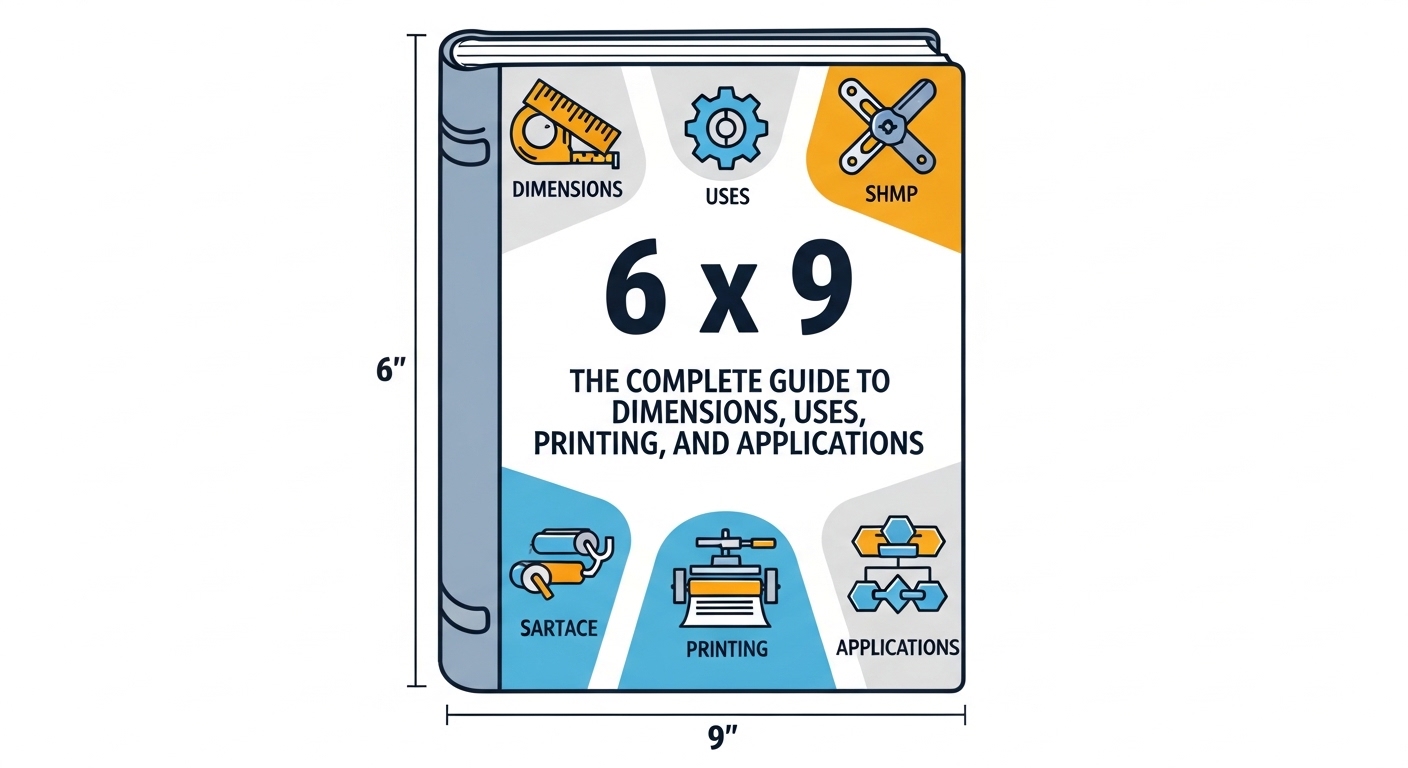
In its simplest form, 6 x 9 refers to an object measuring six units by nine units. In most cases, especially in North America, those units are inches.
The measurement represents width and height, although orientation can vary depending on the product. A printed booklet may be six inches wide and nine inches tall, while a speaker may use the same dimensions to describe its frame size.
Why 6 x 9 Is Such a Popular Size
The popularity of this dimension comes from its balance between compactness and usability. It offers enough space for content, imagery, and design without becoming oversized.
Many industries have adopted the format because it is practical, economical, and familiar to consumers. As a result, the size has become a standard reference point for multiple products and applications.
Common Measurements and Conversions
Understanding unit conversions helps when working with international suppliers, design software, or manufacturing specifications. The dimensions can be expressed in several measurement systems.
A standard 6 x 9 size equals approximately 15.24 x 22.86 centimeters or 152.4 x 228.6 millimeters. These conversions are particularly useful for print production and graphic design projects.
Quick Reference Table for 6 x 9 Applications
| Application | Typical Meaning | Primary Benefit |
|---|---|---|
| Books | 6-inch by 9-inch trim size | Easy readability |
| Magazines | Compact publication format | Professional appearance |
| Envelopes | Fits promotional inserts | Mailing efficiency |
| Postcards | Marketing material size | Strong visual impact |
| Photographs | Photo print dimensions | Balanced display size |
| Car Speakers | Speaker dimensions | Enhanced audio performance |
| Catalogs | Product showcase format | More content space |
| Brochures | Promotional literature | Convenient handling |
6 x 9 in Book Publishing
Among publishers, the 6 x 9 book format is one of the most widely used trim sizes. It provides a comfortable reading experience while accommodating substantial text on each page.
Many nonfiction books, educational materials, business guides, and self-published works utilize this format because it balances portability and content density exceptionally well.
Why Authors Prefer the Format
Authors often choose the size because it reduces page counts compared to smaller formats. Fewer pages can lower printing costs while maintaining readability.
The dimensions also create a professional appearance that readers associate with authoritative books, making them especially attractive for experts and thought leaders.
6 x 9 in Commercial Printing
Commercial printers frequently recommend the 6 x 9 format for brochures, catalogs, manuals, and marketing collateral. The size provides enough room for visuals and text without overwhelming the reader.
From a production perspective, printers can efficiently impose layouts using standard sheet sizes, helping businesses control costs and minimize waste.
Marketing Advantages of the Size
Marketing materials benefit from increased visual space. Companies can include compelling graphics, product images, and persuasive copy without creating clutter.
Direct-mail campaigns often use this format because recipients perceive larger materials as more valuable and important than standard letter-sized inserts.
The Role of 6 x 9 Envelopes
Envelopes measuring 6 x 9 inches are commonly used for promotional mailings, invitations, reports, and presentation materials. Their dimensions accommodate folded and flat documents effectively.
Businesses appreciate the professional appearance these envelopes create. They stand out in mailboxes while still remaining practical for postal handling.
Direct Mail Performance Benefits
Marketers often test various envelope sizes to improve open rates. Larger envelopes naturally attract attention compared to conventional correspondence.
The added space allows for creative branding, eye-catching typography, and messaging that can increase recipient engagement before the envelope is even opened.
Photography and Print Displays
Photographers frequently offer prints in 6 x 9 dimensions because the aspect ratio works well for many compositions. It provides a balanced presentation for portraits and landscapes alike.
The format also fits easily into albums, portfolios, and display frames, making it a versatile option for both professionals and hobbyists.
Visual Impact in Photography
A print that is too small may fail to showcase details effectively. Conversely, excessively large prints can become expensive and difficult to display.
This dimension often strikes an ideal balance, delivering sufficient detail while remaining affordable and practical for everyday use.
6 x 9 Speakers in Audio Systems
In the automotive audio industry, 6 x 9 speakers are among the most recognizable speaker sizes. Their larger surface area enables them to produce strong bass and midrange frequencies.
Many factory-installed and aftermarket sound systems incorporate this speaker size because it delivers impressive performance without requiring significant modifications.
Performance Characteristics
Compared with smaller speakers, the larger cone area can move more air. This typically results in fuller sound reproduction and improved low-frequency response.
Audio enthusiasts often upgrade to high-quality versions of this speaker size when seeking a richer listening experience inside vehicles.
Design Considerations for Printed Materials
Graphic designers appreciate the flexibility provided by the dimensions. The format supports clean layouts, readable typography, and balanced image placement.
Because the canvas is neither too narrow nor excessively wide, designers can experiment with visual hierarchy while maintaining user-friendly presentation.
Typography and Layout Benefits
Long lines of text can reduce readability, while extremely short lines create awkward reading patterns. The dimensions help avoid both problems.
This balance allows designers to create layouts that guide readers naturally through content, increasing engagement and comprehension.
Business Reports and Presentations
Corporate organizations frequently use this size for reports, proposals, and presentations. It offers a more premium appearance than standard office documents.
Decision-makers often perceive professionally formatted materials as more credible, making presentation quality an important business consideration.
Professional Branding Opportunities
The dimensions create space for branding elements without overwhelming content. Logos, imagery, and corporate messaging can coexist harmoniously.
A polished presentation reinforces trust and professionalism, especially during client meetings, conferences, and sales presentations.
Educational and Training Materials
Training manuals, workbooks, and educational guides commonly use the format due to its practical dimensions. Students and professionals can easily handle and transport the materials.
The size also supports diagrams, charts, and illustrations while preserving readability and organization throughout the publication.
Improved Learning Experiences
Educational content benefits from clear visual structure. Readers can absorb information more effectively when layouts are thoughtfully designed.
The format accommodates both detailed explanations and supporting graphics, making it highly effective for instructional purposes.
Digital Design and Template Creation
Although rooted in physical dimensions, the format influences digital document creation as well. Designers often create PDFs based on the same proportions.
Maintaining consistent dimensions across print and digital channels strengthens brand identity and simplifies content management processes.
Adapting Designs Across Platforms
Modern marketing campaigns frequently require materials for both print and digital distribution. Consistent proportions streamline production workflows.
Design teams can repurpose content efficiently while maintaining visual integrity across multiple formats and devices.
Cost Efficiency Considerations
One reason the format remains popular is its economic practicality. Production costs are often manageable compared with larger formats.
Organizations seeking professional presentation without excessive expense frequently select these dimensions because they offer strong value.
Balancing Quality and Budget
Effective communication does not always require oversized materials. Strategic use of space often produces better results than simply increasing dimensions.
Businesses can achieve professional outcomes while controlling printing, shipping, and storage costs through smart format selection.
Common Misconceptions About 6 x 9
Many people assume the dimensions apply exclusively to books or speakers. In reality, the format spans numerous industries and applications.
Another misconception is that larger formats automatically perform better. Success depends on matching dimensions to the intended purpose rather than simply choosing the biggest option.
Choosing the Right Application
Selecting the correct format requires understanding audience expectations, project goals, and practical requirements. Context matters more than the measurement itself.
A publication, marketing piece, or audio system may each use the dimensions differently, yet all benefit from the same balance of functionality and efficiency.
Industry Trends and Future Relevance
Despite technological advances, standardized dimensions remain important. Consistency helps streamline production, reduce costs, and improve user experiences.
As print, digital, and multimedia environments continue to evolve, the enduring popularity of the format demonstrates its versatility and adaptability.
Expert Perspective on Dimensional Standards
Industry professionals often emphasize that successful design starts with choosing the correct format. Dimensions influence usability, aesthetics, and production efficiency.
As legendary designer Paul Rand famously suggested, “Design is the silent ambassador of your brand.” The dimensions you choose help communicate that brand message before a single word is read.
Conclusion
The 6 x 9 format has earned its place as one of the most versatile and practical dimensions across publishing, printing, marketing, photography, education, and audio applications. Its balance of usability, readability, visual appeal, and cost efficiency makes it a preferred choice for professionals and consumers alike.
Whether you’re publishing a book, creating a brochure, selecting speakers, producing marketing materials, or designing educational resources, understanding how 6 x 9 dimensions function can help you achieve better results. The format’s continued relevance demonstrates that effective design often depends on choosing dimensions that combine practicality with performance.
Read More: 447537452512: Complete Technical Interpretation, System Role, and Practical Insights
FAQ
What does 6 x 9 mean?
The term 6 x 9 generally refers to an object measuring six inches by nine inches. The exact application depends on whether it is used for books, speakers, photographs, envelopes, or printed materials.
Is 6 x 9 a standard book size?
Yes. The 6 x 9 trim size is one of the most popular formats for nonfiction books, educational publications, and self-published titles because it balances readability and portability.
Are 6 x 9 speakers good?
Yes. 6 x 9 speakers are widely regarded as an excellent option for automotive audio systems due to their ability to produce strong bass and clear midrange sound.
What are 6 x 9 dimensions in centimeters?
A 6 x 9 measurement equals approximately 15.24 x 22.86 centimeters or 152.4 x 228.6 millimeters.
Why is 6 x 9 popular for marketing materials?
The 6 x 9 format provides ample space for graphics and messaging while remaining easy to handle, mail, and distribute.
Can photographs be printed in 6 x 9 size?
Yes. Many photographers offer 6 x 9 prints because the dimensions provide an attractive balance between detail, display flexibility, and affordability.
Is 6 x 9 suitable for catalogs and brochures?
Absolutely. The 6 x 9 format is commonly used for catalogs, brochures, reports, and promotional materials because it combines professional appearance with practical functionality.