
Christian Ashdale: Career, Artistic Evolution, Film Work, and Creative Legacy
Christian Ashdale is a creative professional whose career spans both film and fine art. Best known to many audiences for his role in The Lovely Bones, he has also developed a reputation as a contemporary sculptor and visual artist. His transition from child actor to multidisciplinary creator makes his story particularly compelling in an era where artists increasingly move across different creative industries.
The growing interest in Christian Ashdale reflects a broader fascination with individuals who successfully reinvent themselves while maintaining a strong artistic identity. From his early years in front of the camera to his later dedication to sculpture, Ashdale represents a modern example of creative evolution, technical discipline, and artistic curiosity.
Christian Ashdale and His Early Background
Christian Ashdale was born in New York City on April 9, 1999, and entered the entertainment industry at a young age. Growing up in a city known for its artistic energy exposed him to museums, performance spaces, and creative communities that would later influence his professional path. According to publicly available biographical sources, his early exposure to art and performance became a foundation for future creative pursuits.
Many child performers struggle to define themselves beyond their early roles, but Christian Ashdale demonstrated interests extending beyond acting from an early stage. This broader artistic perspective would eventually help him build a career that reaches far beyond traditional screen performance and into the world of contemporary visual art.
The Breakthrough Role That Introduced Christian Ashdale to Audiences
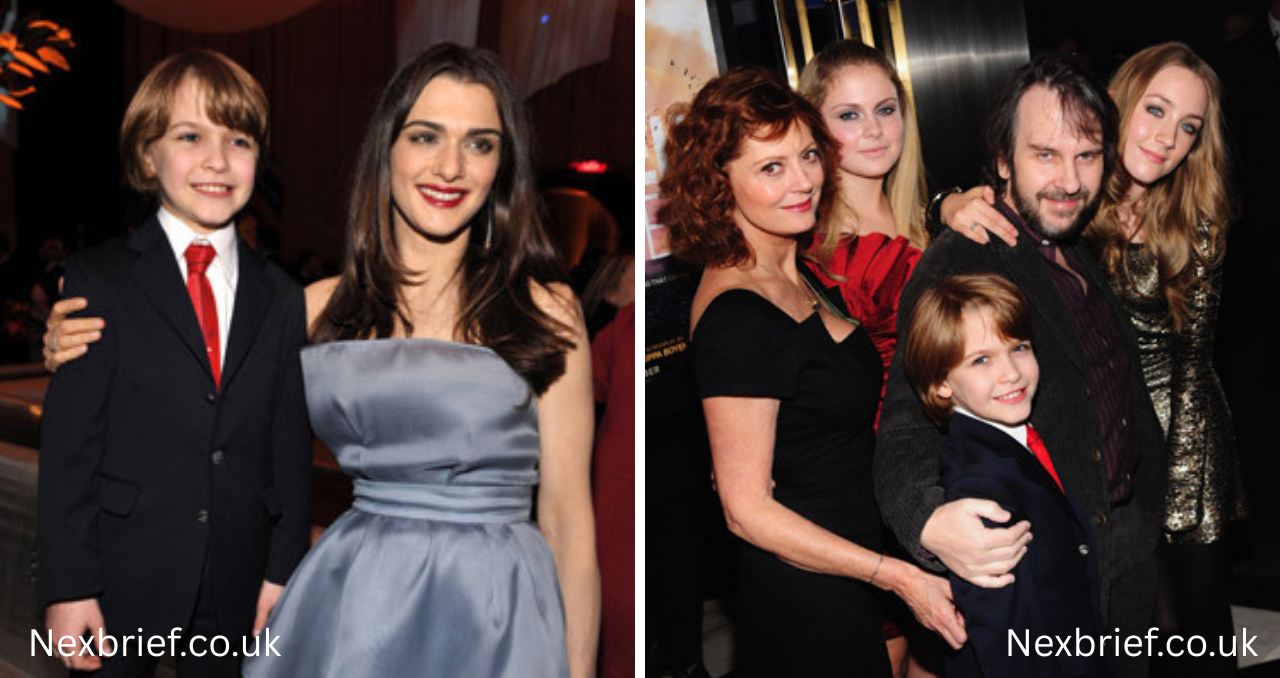
For many viewers, Christian Ashdale is most recognizable for portraying Buckley Salmon in The Lovely Bones. Directed by acclaimed filmmaker Peter Jackson, the film brought together an accomplished cast and introduced Ashdale to international audiences at a young age.
Although his role was part of a larger ensemble, the performance contributed to the emotional framework of the story. Appearing alongside established actors in a major studio production provided Christian Ashdale with valuable professional experience and visibility that continues to attract interest from film enthusiasts years after the movie’s release.
Understanding the Significance of The Lovely Bones
The Lovely Bones remains one of the most discussed projects associated with Christian Ashdale. Adapted from Alice Sebold’s bestselling novel, the film explored themes of grief, family, memory, and healing through a visually ambitious narrative.
The project’s scale and artistic ambition created an environment where younger performers could observe high-level filmmaking firsthand. For Christian Ashdale, participation in such a production likely offered insights into storytelling, visual composition, and character development that would later complement his artistic interests outside of cinema.
Career Overview and Professional Timeline
The professional journey of Christian Ashdale demonstrates how creative careers rarely follow a perfectly linear path. While many actors pursue continuous screen appearances, Ashdale gradually shifted his focus toward visual arts and sculpture, embracing a different but equally demanding form of creative expression.
This transition highlights an important reality of modern creative professions. Success is not always defined by remaining in one industry indefinitely. Instead, many artists discover new opportunities by applying their creative instincts across multiple disciplines, and Christian Ashdale serves as a notable example of this approach.
Key Facts About Christian Ashdale
| Category | Details |
|---|---|
| Full Name | Christian Thomas Ashdale |
| Birth Date | April 9, 1999 |
| Birthplace | New York City, New York, USA |
| Known For | Acting and Sculpture |
| Notable Film | The Lovely Bones |
| Character Played | Buckley Salmon |
| Artistic Focus | Figurative Sculpture and Fine Art |
| Education | Pennsylvania Academy of the Fine Arts |
| Creative Fields | Film, Sculpture, Visual Arts |
| Professional Identity | Multidisciplinary Artist |
The information above provides a concise overview of Christian Ashdale’s professional profile and highlights the diverse nature of his creative work.
Looking at these details collectively reveals how his career bridges entertainment and fine art, making him an interesting figure for audiences interested in creative development and artistic versatility.
The Transition from Acting to Fine Art
One of the most fascinating aspects of Christian Ashdale’s story is his movement from acting into visual art. Rather than abandoning creativity, he redirected his energy toward a medium that allowed greater control over personal expression and artistic experimentation.
This transition reflects a trend among modern creatives who seek deeper involvement in the production process. While acting interprets existing stories, sculpture often allows artists to originate concepts, forms, and narratives entirely on their own terms. That creative autonomy appears to have played an important role in Ashdale’s artistic development.
Education and Artistic Training
A significant factor in the success of Christian Ashdale as an artist is his commitment to formal training. Reports indicate that he studied anatomy, figure drawing, and sculpture at respected institutions, including the Art Students League of New York and the Pennsylvania Academy of the Fine Arts.
Such educational experiences emphasize discipline, observation, and technical mastery. Unlike the misconception that artistic talent alone creates successful careers, professional sculptors often spend years developing foundational skills. Christian Ashdale’s training reflects this dedication to craft and continuous improvement.
The Influence of Classical Art Traditions
Many contemporary artists draw inspiration from historical traditions, and Christian Ashdale is no exception. His interest in anatomy, figurative representation, and sculptural form demonstrates a connection to classical artistic principles that have shaped visual culture for centuries.
This influence does not mean his work is purely traditional. Instead, it illustrates how contemporary artists frequently combine historical techniques with modern perspectives, creating work that feels both familiar and innovative to contemporary audiences.
Sculpture as a Primary Creative Medium
Sculpture offers unique possibilities that differ dramatically from film performance. Through three-dimensional forms, artists can explore movement, tension, emotion, and physical presence in ways that cannot always be achieved through two-dimensional media. Christian Ashdale has frequently discussed his fascination with three-dimensional expression.
The physical nature of sculpture also introduces technical challenges involving materials, structure, balance, and fabrication. Mastering these elements requires patience and precision, qualities that have become central to Ashdale’s artistic identity.
Themes Present in Christian Ashdale’s Artwork
Many of Christian Ashdale’s sculptural works explore human anatomy, emotional states, and psychological contrasts. Pieces discussed in artist interviews often examine concepts such as harmony, conflict, vulnerability, and personal transformation.
These themes resonate with audiences because they address universal human experiences. Rather than relying on abstract theory alone, his work frequently uses the human figure as a vehicle for emotional storytelling and visual communication.
Artistic Recognition and Industry Attention
Recognition within the art world often arrives through exhibitions, competitions, and professional showcases. Christian Ashdale gained attention as a finalist in the Boynes Artist Award, demonstrating that his work has earned acknowledgment from respected artistic organizations.
Such recognition is significant because contemporary art is an intensely competitive field. Awards and exhibition opportunities help establish credibility while introducing artists to collectors, curators, critics, and broader audiences.
The Creative Philosophy Behind Christian Ashdale’s Work
Artists often reveal their philosophies through interviews and discussions about their creative processes. Christian Ashdale has emphasized dedication, experimentation, and faith in one’s artistic vision as important components of meaningful creative work.
This perspective reflects a practical understanding of artistic development. Success rarely comes from inspiration alone. Instead, it emerges from consistent effort, technical refinement, and a willingness to continue learning throughout a creative career.
How Film Experience Influences Artistic Practice
The connection between acting and sculpture may appear unexpected, yet both disciplines involve storytelling and observation. Christian Ashdale’s experience in film likely contributed to his understanding of gesture, emotion, and visual narrative.
Actors study body language to communicate character, while sculptors analyze physical form to express meaning. These overlapping skills suggest that his artistic transition was not a complete departure from performance but rather an expansion into a different creative language.
Why Christian Ashdale Continues to Attract Interest
Public interest in Christian Ashdale persists because his story combines multiple elements that audiences find compelling. He represents a child actor who successfully pursued artistic growth beyond early screen appearances while maintaining a strong creative identity.
In an entertainment landscape often focused on celebrity culture, Ashdale’s journey offers an alternative narrative centered on craftsmanship, education, and artistic evolution. That distinction helps explain why interest in his work continues to grow.
The Role of Creativity in Career Reinvention
Career reinvention is increasingly common in creative industries. Technological change, shifting audience preferences, and personal artistic growth encourage professionals to explore new opportunities and mediums throughout their lives.
Christian Ashdale demonstrates how reinvention can strengthen rather than diminish an artist’s identity. By building upon existing creative skills while embracing new disciplines, he expanded the scope of his professional contributions and developed a more multifaceted artistic profile.
Industry Lessons from Christian Ashdale’s Journey
Emerging creatives can learn several valuable lessons from the career path of Christian Ashdale. One of the most important is the value of developing transferable skills that remain relevant across multiple industries and artistic disciplines.
Another lesson involves patience. Meaningful creative careers often unfold over years rather than months. The combination of acting experience, artistic training, and professional recognition illustrates how sustained effort can create opportunities across different sectors of the creative economy.
A Quote That Reflects Artistic Dedication
A statement often associated with Christian Ashdale’s perspective on creativity highlights the importance of commitment and confidence:
“Have faith in yourself and your vision, and don’t be afraid to put the time in. Creating art takes dedication.”
This quote captures a principle that applies not only to artists but also to entrepreneurs, designers, writers, and professionals in virtually every creative field.
The Growing Importance of Multidisciplinary Artists
The modern creative economy increasingly rewards individuals who can operate across multiple disciplines. Film, design, digital media, sculpture, illustration, and performance often intersect in collaborative projects that require diverse skill sets.
Christian Ashdale represents this multidisciplinary model. His experience demonstrates how artists can remain adaptable while maintaining a coherent creative vision that connects different forms of expression.
Public Perception and Lasting Relevance
Audience interest often evolves over time. Some viewers first encounter Christian Ashdale through film, while others discover him through contemporary sculpture and fine art. This dual visibility contributes to his continued relevance across different communities.
As new audiences explore his artistic work, they gain a broader understanding of his creative identity. This ongoing discovery process helps sustain engagement and encourages deeper interest in both his past achievements and future projects.
The Future Potential of Christian Ashdale
Predicting the future of any artist is difficult, but Christian Ashdale appears positioned to continue exploring ambitious creative projects. His educational background, technical training, and willingness to experiment suggest strong potential for ongoing artistic development.
Whether through sculpture, design, collaborative projects, or new forms of visual storytelling, his career trajectory illustrates the possibilities available to creators who embrace continuous learning and artistic growth.
Conclusion
Christian Ashdale occupies a unique position within contemporary creative culture. Known initially for his role in The Lovely Bones, he expanded beyond acting to establish himself as a serious visual artist and sculptor. His journey highlights the power of artistic curiosity, disciplined training, and professional reinvention.
The continued interest in Christian Ashdale reflects more than nostalgia for a film performance. It represents appreciation for an individual who has successfully navigated multiple creative worlds while maintaining a clear commitment to artistic excellence. As audiences increasingly value authenticity, craftsmanship, and originality, his story remains relevant and inspiring.
Read More: Aysia Polk: Biography, Background, Career Journey, Public Interest, and Growing Online Presence
FAQ
Who is Christian Ashdale?
Christian Ashdale is an American actor and visual artist best known for playing Buckley Salmon in The Lovely Bones. He later pursued sculpture and fine art, developing a career as a multidisciplinary creator.
What movie is Christian Ashdale most famous for?
Christian Ashdale is most widely recognized for his role in The Lovely Bones (2009), directed by Peter Jackson, where he portrayed Buckley Salmon.
Is Christian Ashdale still acting?
Publicly available information primarily highlights Christian Ashdale’s work in sculpture and visual art. While he remains known for acting, much of his recent attention comes from his artistic projects.
What kind of art does Christian Ashdale create?
Christian Ashdale focuses largely on figurative sculpture, anatomy-based studies, and works that explore emotional and psychological themes through three-dimensional forms.
Where did Christian Ashdale study art?
Christian Ashdale studied at institutions including the Art Students League of New York and the Pennsylvania Academy of the Fine Arts, where he developed advanced skills in sculpture and figure-based art.
Why is Christian Ashdale gaining attention today?
Interest in Christian Ashdale continues because of his transition from child actor to accomplished visual artist. His unique creative journey appeals to audiences interested in film, contemporary art, and career evolution.