
Table of Contents
ToggleEarly Life and Childhood
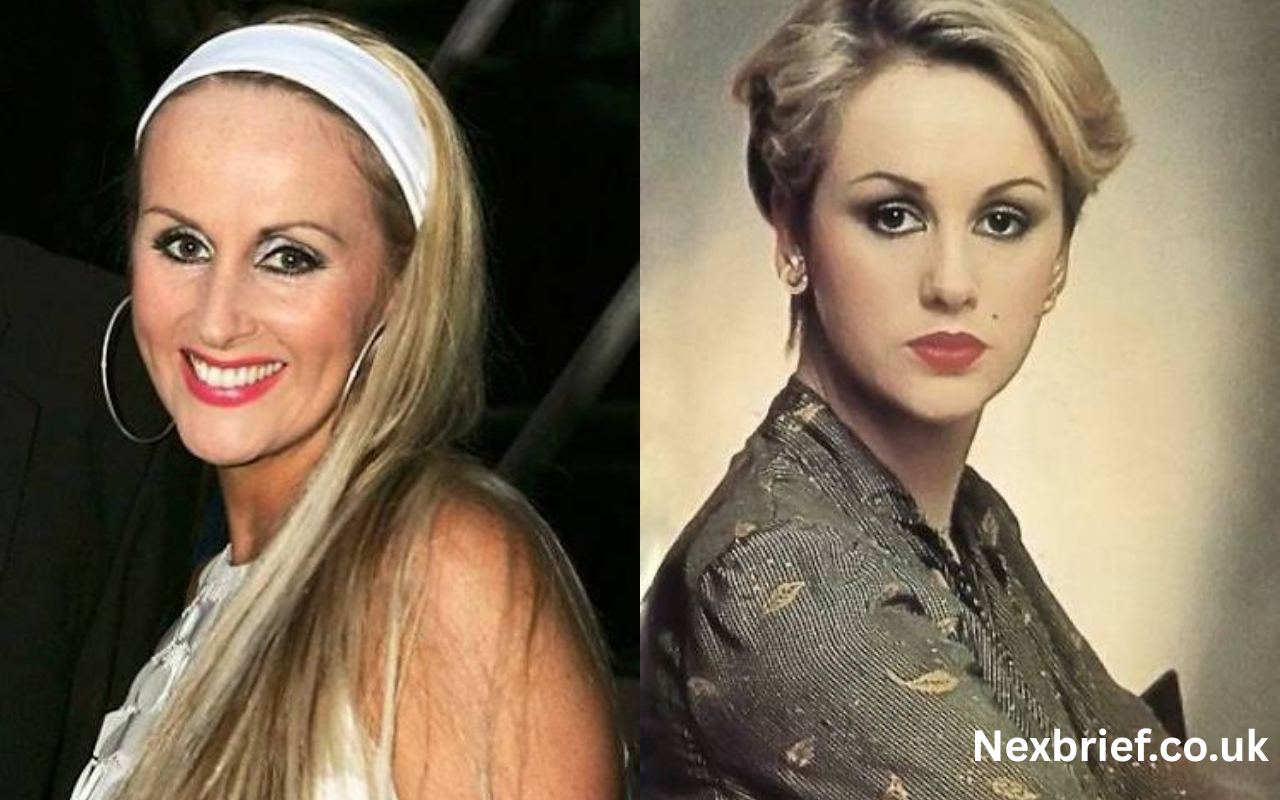
Susan Ann Sulley was born on 22 March 1963 in Sheffield, South Yorkshire, England, a city that would later become one of the birthplaces of British synth-pop. Growing up in the working-class district of Gleadless, Susan experienced a simple childhood surrounded by family, friends, and the strong community spirit that Sheffield was known for. Unlike many future pop stars who spent years taking music lessons or performing in talent competitions, Susan’s early years were remarkably ordinary. She never imagined that she would one day become one of the recognizable faces of 1980s pop music. Her life revolved around school, friendships, and enjoying the everyday experiences of a typical British teenager.
Education also played an important role during her teenage years. Susan attended Frecheville Comprehensive School, where she built a close friendship with fellow student Joanne Catherall. The two girls shared similar interests and spent much of their free time together. At that stage, both planned to continue their education and hoped to attend university. Neither had professional musical training, and neither actively pursued a singing career. Their friendship, however, would eventually become one of the most enduring partnerships in British pop history after fate unexpectedly brought them into the music industry.
Before becoming famous, Susan worked several part-time jobs to earn extra money. She helped in a local hairdressing salon and also sold ice cream at a cinema during the summer months. These jobs reflected her down-to-earth personality and ordinary upbringing. Looking back in interviews, she has often joked that aside from those teenage jobs, music has been her only full-time profession throughout her adult life. This humble beginning makes her success even more inspiring, proving that extraordinary careers sometimes begin in the most unexpected ways.
An Unexpected Journey into The Human League
Susan Ann Sulley’s entry into the music world is often described as one of the most remarkable stories in British pop history. In late 1980, after a major lineup change left The Human League searching for new members, lead singer Philip Oakey visited Sheffield’s famous Crazy Daisy Nightclub. While there, he noticed two teenage girls dancing confidently together on the dance floor. Those girls were Susan Sulley and her best friend Joanne Catherall. Oakey believed they possessed the style, confidence, and personality the band needed, despite having no professional singing experience.
Initially, Susan and Joanne thought the invitation was simply a joke. However, Oakey was serious about bringing them into the group. Because both girls were still in school and only seventeen years old, permission had to be obtained from their parents before they could join the band’s European tour. What began as an emergency solution to replace departing members soon became one of the greatest success stories in pop music. Within months, the inexperienced schoolgirls were performing before thousands of fans across Europe, learning the music business while still completing their education.
This unusual beginning shaped Susan’s entire career. She has frequently explained that neither she nor Joanne ever dreamed of becoming pop stars. Their lives changed almost overnight, forcing them to balance school responsibilities with international touring and recording sessions. The sudden transition was challenging, but Susan embraced the opportunity with determination, professionalism, and a willingness to learn. Her journey serves as a reminder that life-changing opportunities often arrive without warning, and success sometimes depends simply on having the courage to say yes.
International Stardom with Dare and “Don’t You Want Me”
Susan Ann Sulley’s life changed forever with the release of The Human League’s third studio album, Dare (1981). Produced by Martin Rushent, the album combined catchy melodies, innovative synthesizers, and emotionally driven lyrics that perfectly captured the emerging synth-pop movement. At a time when electronic music was still developing, Dare stood out as a fresh and modern record that appealed to audiences across Europe and North America. Susan, who had joined the band only months earlier without any formal vocal training, suddenly found herself contributing to one of the most successful British albums of the decade. The album produced several hit singles, including “The Sound of the Crowd,” “Love Action (I Believe in Love),” “Open Your Heart,” and the legendary “Don’t You Want Me.”
The success of “Don’t You Want Me” became a defining moment in Susan’s career. The song featured a dramatic duet between lead singer Philip Oakey and Susan, telling the story of a failed relationship from two different perspectives. Interestingly, Oakey initially believed the song was one of the weaker tracks on the album and did not expect it to become a hit. However, Virgin Records insisted on releasing it as a single, and the decision proved to be one of the best in British music history. The song reached number one in both the United Kingdom and the United States, sold millions of copies worldwide, and became one of the highest-selling singles in UK history. Susan’s calm yet emotionally expressive vocal performance played a major role in making the song unforgettable for generations of listeners.
The worldwide popularity of Dare transformed The Human League into international superstars almost overnight. Their music videos received heavy rotation on MTV during the channel’s early years, introducing Susan Ann Sulley to audiences around the globe. The band’s stylish image, futuristic fashion, and electronic sound influenced countless artists who followed. Even decades later, “Don’t You Want Me” remains one of the defining songs of the 1980s and continues to be played on radio stations, streaming platforms, television programs, sporting events, and films, ensuring Susan’s voice remains familiar to millions of people worldwide.
Building a Lasting Career Beyond One Hit
Although many casual listeners know Susan Ann Sulley primarily for “Don’t You Want Me,” her career extends far beyond that iconic single. Throughout the 1980s, The Human League continued releasing successful music that demonstrated their ability to evolve while maintaining their distinctive electronic sound. Songs such as “(Keep Feeling) Fascination,” “Mirror Man,” “The Lebanon,” and “Human” helped establish the band as one of Britain’s leading synth-pop groups. Susan remained a key member throughout these years, contributing vocals, live performances, and helping maintain the band’s unique identity alongside Philip Oakey and Joanne Catherall.
The band’s popularity naturally faced challenges as musical tastes changed during the late 1980s and early 1990s. Albums released after their commercial peak did not achieve the same level of chart success, and the music industry itself was changing rapidly. Despite these difficulties, Susan never abandoned the group. Instead, she remained committed to recording new material and touring with the band. Her loyalty became one of the defining aspects of her career. While many artists choose solo careers or leave successful groups, Susan stayed with The Human League and helped preserve the band’s legacy through changing musical trends.
A major career highlight arrived in 1995 with the release of “One Man in My Heart,” a beautiful ballad from the album Octopus. Unlike “Don’t You Want Me,” this song placed Susan firmly in the lead vocal role, allowing audiences to appreciate the warmth and maturity of her voice. The accompanying music video showcased her confident screen presence, and the song reached the UK Top 20. Many critics and fans continue to regard it as one of The Human League’s finest recordings after their early 1980s success. It also proved that Susan was much more than a supporting vocalist—she had become one of the defining voices of the band’s later years.
Challenges, Personal Growth, and Career Resilience
Success arrived incredibly quickly for Susan Ann Sulley, but maintaining that success proved far more challenging. After the extraordinary achievements of Dare, The Human League faced enormous pressure to recreate the same commercial success with every new release. Albums such as Hysteria (1984) and Crash (1986) produced successful singles, including “The Lebanon,” “Life on Your Own,” and the U.S. number-one hit “Human.” However, changing trends in popular music and growing expectations from record companies created increasing pressure on the band. Like many artists who experienced rapid international fame, Susan found that life in the spotlight was not always as glamorous as it appeared from the outside.
The late 1980s and early 1990s became particularly difficult for Susan on a personal level. In interviews, she has openly admitted that she struggled with the pressures that came with worldwide fame. During this period, she experienced two nervous breakdowns and also went through a short-lived marriage that ended unhappily. At the same time, The Human League’s commercial popularity had declined, and the band lost its long-standing recording contract with Virgin Records following the release of Romantic? in 1990. Despite these setbacks, Susan refused to walk away from music. Instead, she continued working alongside Philip Oakey and Joanne Catherall, believing that the group’s story was far from over.
That determination eventually paid off. In 1995, The Human League enjoyed an unexpected comeback with the hit single “Tell Me When” and the gold-certified album Octopus. The success reminded both fans and critics that the band still had creative energy and loyal audiences around the world. Looking back on those challenging years, Susan has often said that surviving difficult times made her appreciate her career even more. Rather than allowing adversity to define her, she used those experiences to become stronger, proving that resilience is often the greatest achievement of all.
Awards, Achievements, and Lasting Influence
Although Susan Ann Sulley has never focused on individual awards, her career with The Human League includes numerous achievements that have secured the band’s place in music history. In 1982, The Human League received the BRIT Award for Best British Breakthrough Act, recognizing their enormous impact on British pop music following the success of Dare. The group also received a Grammy Award nomination during their commercial peak and was honored with the Q Innovation in Sound Award in 2004, celebrating their pioneering contribution to electronic music. These honors reflect not only commercial success but also the band’s lasting influence on modern pop production.
Susan’s greatest achievement, however, lies in the enduring popularity of the music itself. Songs such as “Don’t You Want Me,” “(Keep Feeling) Fascination,” “Mirror Man,” “Human,” and “Tell Me When” continue to receive millions of streams and regular radio airplay around the world. These recordings have appeared in films, television series, advertisements, documentaries, and sporting events, introducing The Human League’s music to entirely new generations. Decades after their original release, these songs remain essential parts of 1980s music playlists and continue to influence contemporary electronic, synth-pop, and indie artists.
Susan has also inspired fellow performers through her unique career journey. Unlike many singers who spent years pursuing auditions, she entered the music industry unexpectedly and built an international career through dedication and authenticity. Even Victoria Beckham has publicly stated that Susan Sulley inspired her desire to become a pop singer. Such recognition demonstrates how Susan’s influence extends beyond her own recordings, shaping future generations of performers who admire her confidence, professionalism, and longevity in the music business.
Personal Life, Relationships, and Life Away from Fame
Despite spending more than four decades in the public eye, Susan Ann Sulley has successfully kept much of her personal life away from media attention. Unlike many celebrities who frequently share details about their families and relationships, Sulley has always preferred privacy. She rarely discusses her romantic life in interviews and has consistently separated her personal world from her career. This reserved approach has earned respect from both fans and journalists, allowing her musical achievements to remain the focus rather than celebrity gossip.
Susan was briefly married during the late 1980s, but the marriage ended in divorce. She has spoken honestly about that difficult period, explaining that the breakup coincided with other personal challenges, including struggles with mental health and the pressures of fame. Rather than hiding those experiences, she has occasionally reflected on them as important life lessons that helped shape her resilience. Over the years, she has become an example of someone who faced setbacks with honesty and determination instead of allowing them to define her future.
Away from the stage, Susan enjoys a relatively quiet lifestyle. She has remained closely connected to her hometown of Sheffield and has often expressed gratitude for living a life that feels grounded despite her international success. She values long-term friendships, especially her lifelong friendship with fellow Human League vocalist Joanne Catherall. The pair have worked together since they were teenagers, creating one of the longest-lasting partnerships in British pop music. Susan has often said that she considers herself fortunate to have experienced such an extraordinary career while still enjoying the comforts of an ordinary life.
Net Worth, Income Sources, and Business Ventures
Susan Ann Sulley’s exact financial position has never been officially disclosed, and she has never publicly discussed her earnings in detail. However, entertainment industry estimates generally place her net worth between $1 million and $3 million, although these figures remain unofficial. Considering her career spans more than forty years, with millions of records sold worldwide and continuous touring, it is clear that music has provided her with a stable and successful livelihood.
Her primary source of income comes from her long-standing role in The Human League. Revenue is generated through album sales, digital downloads, music streaming services, concert tours, festival appearances, publishing royalties, merchandise sales, and licensing agreements. One of the band’s greatest financial assets continues to be “Don’t You Want Me,” which remains one of the most-played songs from the 1980s. The song continues to generate royalties through radio broadcasts, streaming platforms, films, television shows, commercials, and live performances around the world.
In addition to performing, Susan is also a joint business partner in The Human League alongside Philip Oakey and Joanne Catherall. This means she is involved not only as a performer but also as one of the owners responsible for the band’s ongoing business operations. The group’s careful management of its catalogue and touring schedule has helped maintain financial stability while preserving its musical legacy for future generations.
Social Media Presence, Recent Activities, and Future Plans
Unlike many modern entertainers, Susan Ann Sulley does not maintain a highly active or verified personal presence on major social media platforms. Instead, fans receive updates through The Human League’s official website and official social media accounts, where announcements about concerts, tours, and music releases are shared. This reflects Susan’s long-standing preference for privacy and her belief that music should remain the primary connection between artists and audiences rather than constant personal exposure online.
Even after more than four decades in the music industry, Susan remains an active performer. In 2026, The Human League embarked on their first major U.S. tour in fifteen years, performing alongside Soft Cell and Alison Moyet on the “Generations Tour.” Concert reviews praised the chemistry between Philip Oakey, Joanne Catherall, and Susan Ann Sulley, noting that the trio still delivers energetic performances and continues to attract audiences across multiple generations. Their enduring popularity demonstrates the timeless appeal of classic synth-pop and the band’s lasting influence on popular music.
Looking ahead, Susan has indicated that she has no immediate plans to retire. She continues touring with The Human League and remains committed to preserving the band’s remarkable legacy while staying open to future recording opportunities. Nearly half a century after joining the group as a teenager, she still expresses gratitude for a career that began completely by chance. Her ongoing dedication serves as an inspiring reminder that passion, perseverance, and authenticity can sustain a successful career far beyond the era in which it first began.
Legacy, Influence, and Why Susan Ann Sulley Still Matters
Susan Ann Sulley’s legacy extends far beyond her role as the female voice on one of the biggest songs of the 1980s. As a member of The Human League, she helped redefine what modern pop music could sound like. At a time when synthesizers were still considered experimental, the band combined electronic production with memorable melodies and emotionally engaging lyrics. Susan’s natural vocal style complemented Philip Oakey’s distinctive voice, creating a musical partnership that became one of the defining sounds of the synth-pop era. More than forty years later, songs featuring her vocals continue to inspire musicians working in pop, electronic, new wave, indie, and dance music.
Her influence is also reflected in the admiration she has received from fellow artists. Victoria Beckham has publicly acknowledged that Susan Sulley inspired her desire to pursue a career in pop music, demonstrating how her success reached beyond The Human League’s own fan base. Unlike many performers who constantly sought the spotlight, Susan built her reputation through consistency, professionalism, and teamwork. She has remained committed to the same band since joining as a teenager, proving that longevity in the music industry is often achieved through dedication rather than constant reinvention.
Today, music critics frequently describe The Human League as pioneers whose work laid the foundation for modern electronic pop. Albums such as Dare are regularly included in lists of the greatest British pop albums ever recorded, while “Don’t You Want Me” remains one of the most recognizable songs in popular music history. Every time the song is streamed, played on the radio, or performed live, Susan Ann Sulley’s contribution reaches another generation of listeners, ensuring that her place in music history remains secure.
Susan Ann Sulley Today and What’s Next
Even after spending over four decades in the music business, Susan Ann Sulley continues to perform with the same enthusiasm that first captivated audiences in the early 1980s. Alongside Philip Oakey and Joanne Catherall, she remains an active member of The Human League, performing at festivals, theatres, and arenas across the United Kingdom, Europe, Australia, and North America. In 2026, the band launched its first major U.S. tour in fifteen years as part of the Generations Tour with Soft Cell and Alison Moyet, demonstrating that interest in their music remains remarkably strong.
Recent interviews reveal that Susan is comfortable embracing the band’s status as a beloved legacy act while still enjoying live performance. She has spoken warmly about the multigenerational audiences attending concerts, where original fans now attend alongside their children and even grandchildren. Rather than viewing nostalgia as a limitation, she sees it as proof that great music continues to connect people regardless of age. The Human League’s concerts remain known for their energetic performances, timeless songs, and strong chemistry between the three longtime members.
Although there has been no official announcement of a new studio album, the band has indicated that creative projects remain possible. For now, Susan continues focusing on touring, preserving The Human League’s extraordinary catalogue, and celebrating nearly fifty years of musical history. Her continued enthusiasm suggests that retirement is not an immediate priority, and fans can expect to see her performing classic hits for years to come.
Conclusion
Susan Ann Sulley’s life is one of the most remarkable success stories in British popular music. She did not spend years chasing auditions, attending music academies, or searching for record deals. Instead, an unexpected meeting in a Sheffield nightclub changed the direction of her life forever. From an ordinary schoolgirl with weekend jobs to one of the defining voices of synth-pop, her journey demonstrates how talent, determination, and opportunity can combine to create an extraordinary career.
Throughout more than forty years in the music industry, Susan has remained admired not only for her unmistakable vocals but also for her professionalism, resilience, and humility. She has overcome personal challenges, adapted to changes in the music business, and stayed loyal to The Human League through both commercial highs and quieter periods. Her influence continues to be felt in modern electronic and pop music, while her performances remain a reminder of one of Britain’s greatest musical eras.
As Susan Ann Sulley continues to perform for audiences around the world, her story stands as a powerful reminder that remarkable achievements often begin with unexpected opportunities. Her career celebrates perseverance, authenticity, and a lifelong passion for music, leaving behind a legacy that continues to inspire aspiring performers, devoted fans, and future generations of artists.