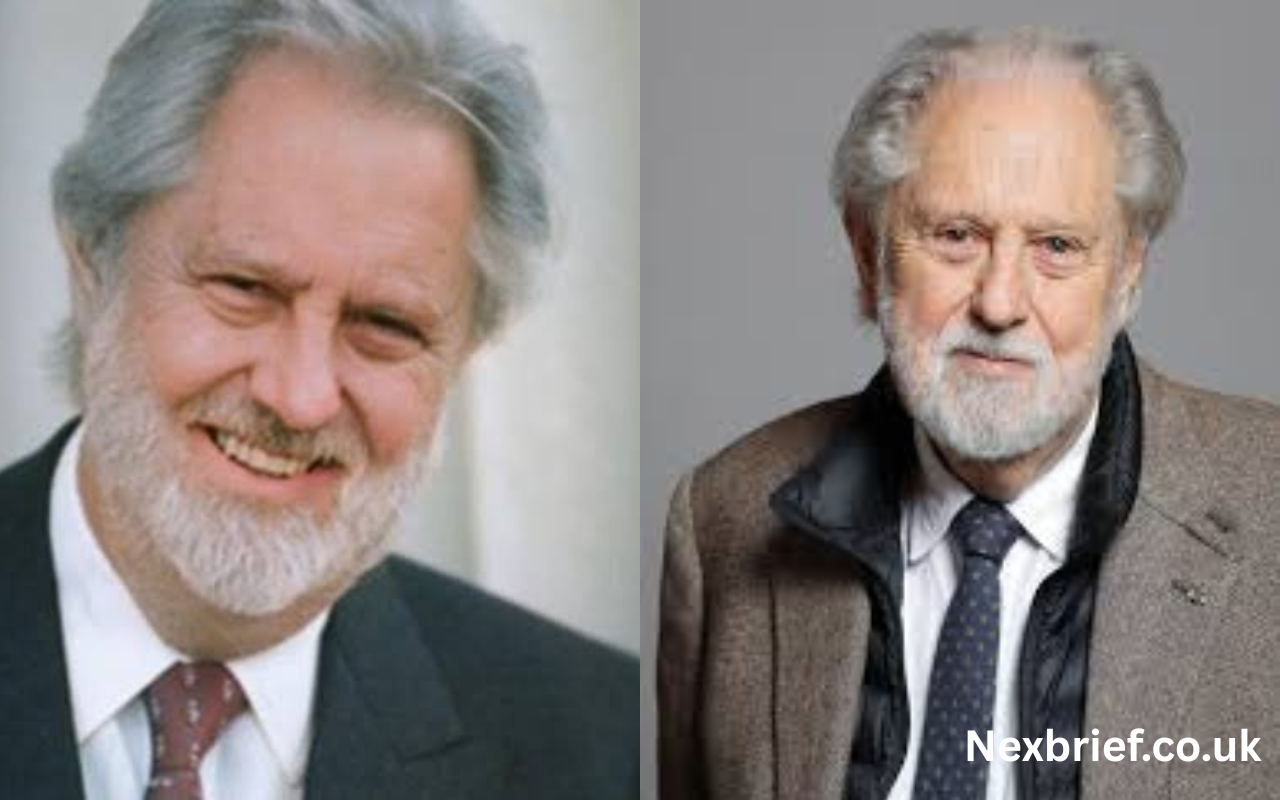
David Puttnam’s journey into the entertainment industry did not begin with a film school degree or a family connection in Hollywood. Instead, he started his professional life in advertising during the late 1950s, where he learned the importance of storytelling, communication, and understanding audiences. Working in advertising introduced him to some of Britain’s brightest creative minds and gave him practical business experience that later proved invaluable in film production. His years in advertising also helped him develop an eye for compelling narratives and visual presentation, skills that would define his future success.
In 1968, Puttnam established David Puttnam Associates, a photographic agency, before gradually transitioning into film production. His first major production, Melody (released as S.W.A.L.K. in the UK), demonstrated his willingness to tell heartfelt, character-driven stories rather than simply chase commercial success. Throughout the 1970s, he produced a string of acclaimed films, including Bugsy Malone, The Duellists, and the Academy Award-winning Midnight Express. These productions showcased his remarkable ability to identify talented directors, writers, and actors while supporting bold, meaningful storytelling.
By the end of the decade, David Puttnam had earned a reputation as one of Britain’s most respected independent film producers. Rather than focusing solely on entertainment, he consistently chose projects that explored complex social, political, and human themes. This thoughtful approach distinguished him from many producers of his generation and established him as a filmmaker committed to artistic integrity as well as commercial excellence. His growing influence eventually opened doors to international collaborations and some of the most celebrated productions in modern cinema.
Producing Award-Winning Films and Global Success
The 1980s marked the golden era of David Puttnam’s filmmaking career. In 1981, he produced Chariots of Fire, a historical sports drama that became a worldwide sensation. The film won the Academy Award for Best Picture and remains one of the most iconic British films ever made. Its inspiring story, memorable soundtrack, and emotional depth reflected Puttnam’s belief that cinema should entertain while encouraging audiences to think more deeply about courage, determination, and personal values.
He continued this remarkable success with productions such as The Killing Fields, The Mission, Local Hero, and Memphis Belle. These films covered subjects ranging from political conflict and historical tragedy to personal sacrifice and cultural identity. Collectively, the productions associated with David Puttnam have earned ten Academy Awards, thirteen Golden Globe Awards, more than thirty BAFTA Awards, numerous Emmy Awards, and the prestigious Palme d’Or at the Cannes Film Festival. Such achievements place him among the most successful and influential producers in British cinema history.
Between 1986 and 1988, Puttnam accepted one of the industry’s biggest leadership roles when he became Chairman and Chief Executive Officer of Columbia Pictures. Although his tenure was relatively brief, it demonstrated the international respect he had earned within the global film business. After returning to Britain, he resumed producing films while increasingly devoting his time to education, cultural leadership, and public service. His transition showed that his ambitions extended well beyond commercial filmmaking.
Public Service, Education, and Leadership Beyond Film
Although David Puttnam achieved worldwide fame as a film producer, he chose to step away from full-time film production in 1998 to dedicate his energy to public service, education, and policy development. He believed that storytelling alone could not solve society’s biggest challenges unless it was supported by better education, responsible leadership, and informed public debate. This marked a significant turning point in his career, transforming him from one of Britain’s leading filmmakers into an influential advocate for educational reform, digital literacy, and environmental responsibility.
One of his most notable contributions has been in the field of education. Lord Puttnam founded the National Teaching Awards to recognize outstanding teachers across the United Kingdom and later became the founding chairman of the General Teaching Council. He also served as Chancellor of the University of Sunderland and later Chancellor of the Open University, encouraging innovation in higher education. His commitment to lifelong learning reflects his belief that education is one of the strongest foundations for social progress and equal opportunity.
His influence also extended into government. David Puttnam served in the House of Lords for nearly twenty-four years, contributing to debates on education, communications, climate policy, artificial intelligence, and digital democracy. He chaired important parliamentary committees examining the impact of digital technologies and climate legislation, consistently advocating for ethical leadership and responsible technological development. Even after retiring from the House of Lords in 2021, he has remained active through educational organizations, advisory boards, and international initiatives that promote responsible innovation.
Awards, Honors, and Lasting Achievements
Throughout his remarkable career, David Puttnam has received countless honors recognizing both his artistic achievements and his public service. His films have collectively won ten Academy Awards, thirty-one BAFTA Awards, thirteen Golden Globe Awards, nine Emmy Awards, four David di Donatello Awards, and the prestigious Palme d’Or at the Cannes Film Festival. Few producers in modern cinema have assembled such an extraordinary collection of international accolades, reflecting decades of excellence across multiple genres of filmmaking.
His personal achievements have been equally impressive. In recognition of his contribution to British cinema, he was appointed Commander of the Order of the British Empire (CBE) in 1982 and received a knighthood in 1995. Two years later, he entered the House of Lords as Baron Puttnam of Queensgate. France also honored him with its Order of Arts and Letters, promoting him through the ranks from Chevalier to Commander. In addition, universities around the world have awarded him more than fifty honorary degrees for his contributions to education, film, and public life.
The film industry has continued to celebrate his influence long after his retirement from production. He received the BAFTA Fellowship, one of the organization’s highest honors, and became a Fellow of the British Film Institute. He also served as Chairman of the National Film and Television School before becoming its Life President, mentoring generations of filmmakers who continue to shape British and international cinema. His legacy extends beyond his own productions to the many creative professionals he has inspired throughout his career.
Personal Life, Family, Interests, and Values
Despite spending decades in one of the world’s most competitive industries, David Puttnam has always maintained a remarkably private and grounded personal life. He married Patricia Mary “Patsy” Jones in 1961, long before he became an internationally recognized film producer. Their marriage has lasted for more than six decades, making it one of the entertainment industry’s most enduring partnerships. Together they have two children, including composer Sasha Puttnam and producer Deborah Grossman. Family has remained central to his life, and he has often credited his wife for providing the stability and encouragement that allowed him to pursue ambitious creative projects.
Since the late 1990s, Lord and Lady Puttnam have made their home in Skibbereen, County Cork, Ireland, where they enjoy a quieter lifestyle away from the pressures of London and Hollywood. In 2022, David and Patricia officially became Irish citizens, reflecting their deep connection with the country they have called home for many years. Living in rural Ireland has allowed Puttnam to focus on education, writing, mentoring, and public policy while remaining actively involved in international film and media discussions.
Away from professional responsibilities, Puttnam enjoys reading, history, environmental issues, education, and mentoring young filmmakers. He has consistently argued that films should not simply entertain but also encourage audiences to think critically about society and human values. Whether speaking at universities, advising governments, or participating in international conferences, he remains committed to ethical leadership and lifelong learning. His calm, thoughtful approach has earned him respect far beyond the film industry, making him a role model for both creative professionals and educators.
Net Worth, Income Sources, Social Media, and Recent Activities
David Puttnam’s exact net worth has never been officially disclosed, and estimates published online vary widely. Rather than focusing on wealth, his career has been defined by influence and long-term contributions to cinema and education. His income has come from several sources over the years, including film production, executive leadership, book royalties, public speaking, advisory roles, educational initiatives, and board memberships. His films have generated significant commercial success while also earning widespread critical acclaim, creating a legacy that extends well beyond financial achievement.
Today, Lord Puttnam serves as Chair of Atticus Education, an organization that delivers interactive educational seminars to students around the world using digital technology. He also continues to serve as Life President of the National Film and Television School and holds advisory positions with educational, cultural, and technology organizations. His commitment to education has become one of the defining chapters of his later career, demonstrating that his passion for storytelling now extends into helping develop the next generation of creative thinkers and leaders.
Although David Puttnam is not a frequent social media user compared with many modern public figures, his official website regularly shares speeches, articles, educational projects, and professional updates. Recent initiatives include the 2025 Puttnam Scholars Programme, which supports emerging filmmakers across Ireland through Atticus Education in partnership with Screen Ireland and Northern Ireland Screen. He also continues to speak internationally about responsible media, artificial intelligence in education, climate action, and the future of the creative industries. These activities demonstrate that even in his eighties, he remains an influential voice shaping discussions far beyond cinema.
Conclusion
David Puttnam’s life is a remarkable example of how creativity, integrity, and public service can come together to create lasting influence. From producing unforgettable films like Chariots of Fire, The Killing Fields, and The Mission to championing educational reform, digital responsibility, and environmental awareness, he has consistently chosen work that carries purpose as well as artistic excellence. His achievements have inspired filmmakers, educators, policymakers, and audiences around the world, proving that meaningful storytelling can change both hearts and minds.
His journey also demonstrates that success is not measured solely by awards or commercial achievements. Instead, it is reflected in the positive impact a person leaves on society, the opportunities they create for future generations, and the values they uphold throughout their career. Whether mentoring young filmmakers, supporting innovative education, or advocating for responsible leadership, Lord Puttnam continues to lead by example with humility and vision.
As David Puttnam continues to inspire people through his lifelong dedication to film, education, and public service, his story stands as a powerful reminder that resilience, curiosity, and purpose can shape a truly meaningful legacy. His work proves that great storytelling is about more than entertainment—it is about creating understanding, encouraging compassion, and leaving the world better than we found it.