

Table of Contents
ToggleEarly Life and Family Background
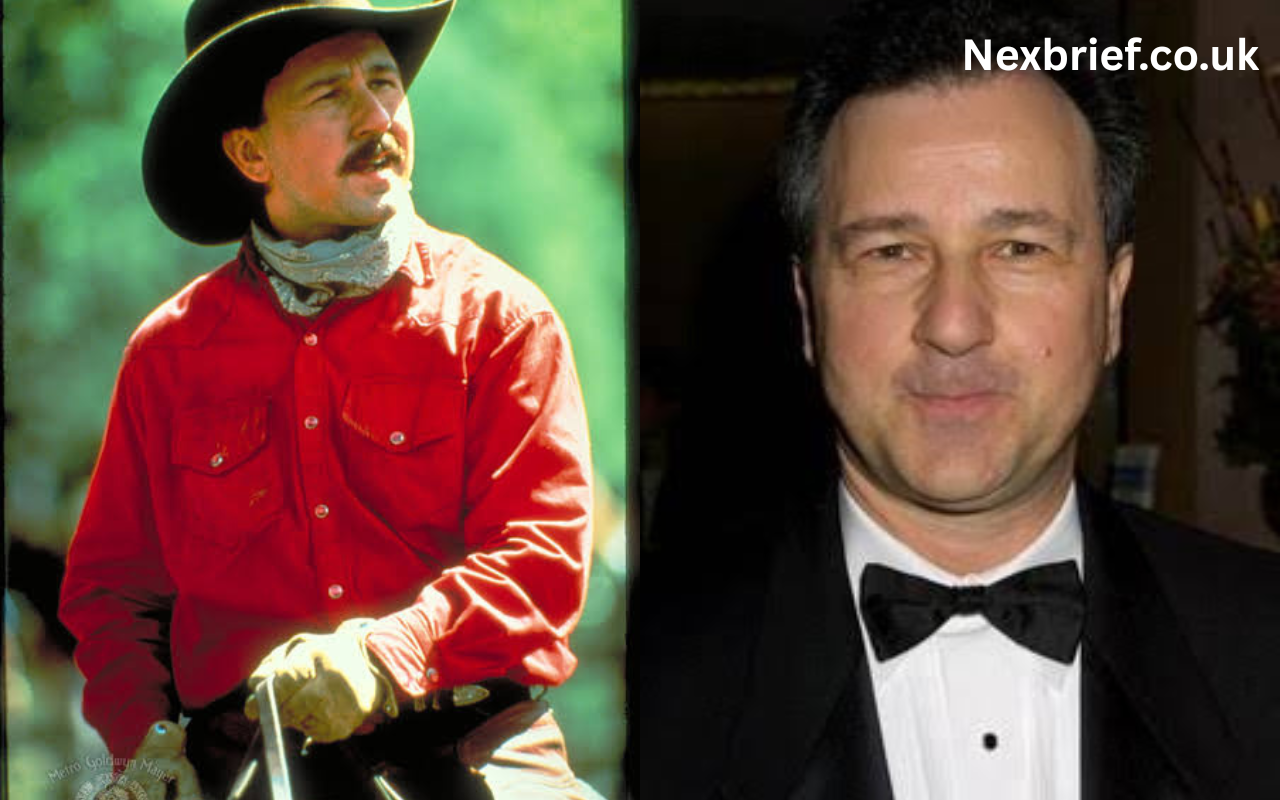
Bruno Kirby was born Bruno Giovanni Quidaciolu Jr. on April 28, 1949, in New York City, New York. From the beginning, acting was a natural part of his life because his father, Bruce Kirby, was already building a successful career as a respected character actor in Hollywood. Growing up in an Italian-American family, Bruno was surrounded by stories, humor, and hardworking values that later became visible in many of the authentic characters he portrayed on screen. His mother, Lucille Garibaldi, helped provide a supportive family environment, while his younger brother, John Kirby, would later become a well-known acting coach.
Raised in New York’s famous Hell’s Kitchen neighborhood, Kirby experienced a city full of energy, diversity, and unforgettable personalities. The streets of Manhattan exposed him to people from different backgrounds, giving him a sharp understanding of human behavior from an early age. Many film critics later noted that his ability to play everyday people, street-smart New Yorkers, and blue-collar characters came naturally because he had lived among them during his childhood. His distinctive voice, expressive face, and confident delivery reflected the environment in which he grew up rather than something he simply learned in acting school.
Although his father worked in television and film, Bruno never relied solely on family connections to establish himself. Instead, he observed professional actors, studied their performances, and gradually developed his own style. His parents encouraged creativity while also teaching discipline, humility, and respect for the profession. These early lessons became the foundation of a career that would eventually span more than three decades and include some of Hollywood’s most beloved films.
Education and Discovering His Passion for Acting
Bruno Kirby attended Power Memorial Academy in New York, where he received his formal education before his family relocated to California during the late 1960s. At school, he formed friendships with several future public figures, including basketball legend Kareem Abdul-Jabbar. Even as a student, Kirby showed an outgoing personality and enjoyed entertaining classmates, though few could have predicted the remarkable acting career that awaited him.
After moving to Los Angeles, Kirby found himself much closer to the center of the American entertainment industry. The relocation proved to be a major turning point because it opened doors to auditions, acting classes, and professional opportunities that simply were not available before. According to biographical sources, he briefly attended acting instruction connected with the Actors Studio and later studied under respected acting teachers, helping him sharpen his natural talent into professional skill.
Rather than rushing toward fame, Kirby concentrated on learning the craft. He carefully observed experienced performers, accepted small roles without complaint, and treated every project as an opportunity to improve. This patient approach helped him build a reputation among directors as a dependable actor who consistently delivered believable performances, regardless of the size of the role.
The First Steps in Hollywood
Like many successful actors, Bruno Kirby’s career began with relatively small television appearances. One of his earliest credits came through Room 222, where he gained valuable experience working in a professional television environment. Around the same period, he also appeared in the pilot episode of MAS*H, marking another important early milestone in his acting journey. While these performances did not make him famous overnight, they introduced him to casting directors who recognized his potential.
Kirby made his feature film debut in The Young Graduates (1971) before appearing in several early 1970s productions, including The Harrad Experiment, Superdad, and Cinderella Liberty. These films allowed him to experiment with different personalities and acting styles while steadily building confidence in front of the camera. Although many of these roles were supporting parts, audiences and filmmakers began noticing his ability to create memorable characters with limited screen time.
Unlike actors who sought glamorous leading roles immediately, Kirby embraced character acting from the beginning. His natural conversational style, quick wit, and authentic delivery helped him stand out in an industry filled with performers trying to fit traditional Hollywood stereotypes. This willingness to be himself ultimately became one of his greatest professional advantages.
The Godfather Part II Changed Everything
The defining breakthrough of Bruno Kirby’s early career arrived in 1974, when legendary filmmaker Francis Ford Coppola cast him as the young Peter Clemenza in The Godfather Part II. It was an especially demanding assignment because audiences already knew the older version of the character, played so memorably by Richard Castellano. Kirby faced the difficult challenge of portraying the younger Clemenza while maintaining the personality that fans already loved.
His performance received widespread praise because he successfully captured Clemenza’s humor, confidence, and loyalty without simply copying Castellano’s work. Sharing scenes alongside Robert De Niro’s young Vito Corleone, Kirby demonstrated remarkable maturity for a relatively young actor. The film itself went on to become one of the greatest achievements in cinema history, and Kirby’s contribution became an important part of its enduring success.
Following the release of The Godfather Part II, Bruno Kirby’s reputation within Hollywood grew considerably. Producers realized they had discovered an actor capable of bringing depth and realism to supporting roles. Although he never became a conventional leading man, this breakthrough established him as one of the industry’s most respected character actors, opening the door to increasingly prestigious projects throughout the following decades.
Rise to Fame and Becoming One of Hollywood’s Most Reliable Character Actors
Following the success of The Godfather Part II, Bruno Kirby entered a new phase of his career where filmmakers increasingly sought him out for supporting roles that required personality, authenticity, and impeccable comic timing. Rather than chasing leading-man status, he embraced the opportunity to become one of Hollywood’s finest character actors. Throughout the late 1970s and early 1980s, Kirby appeared in a variety of television series and feature films, steadily building a reputation as someone who could elevate any scene with his natural performance. Critics often described him as the kind of actor audiences instantly recognized, even if they did not immediately know his name.
His distinctive acting style became his signature. With his raspy New York voice, expressive facial reactions, and believable dialogue delivery, Kirby specialized in playing outspoken friends, fast-talking businessmen, police officers, military officials, and ordinary working-class Americans. Unlike performers who relied on dramatic transformations, he made every character feel genuine by adding small human details that made audiences connect with them. Directors appreciated that he rarely overacted and instead trusted subtle expressions and realistic conversations to carry a scene. This authenticity became one of the defining characteristics of his career.
Hollywood soon recognized that Bruno Kirby possessed something increasingly rare—a dependable actor who could move effortlessly between comedy and drama. Whether appearing for five minutes or an hour, he consistently left a lasting impression. That reputation ensured he remained steadily employed throughout the 1980s and 1990s, working alongside some of the biggest stars in the film industry while quietly becoming one of the most respected supporting actors of his generation.
Memorable Performances in This Is Spinal Tap and Good Morning, Vietnam
One of Kirby’s most entertaining performances came in Rob Reiner’s cult classic This Is Spinal Tap (1984), where he portrayed limousine driver Tommy Pischedda. Although the role occupied only a small portion of the film, it became one of its most memorable moments. His character passionately defended Frank Sinatra while humorously criticizing the fictional rock band, creating a scene that fans still quote decades later. The performance perfectly demonstrated Kirby’s gift for making even minor characters unforgettable through personality alone.
Just a few years later, Kirby showcased a completely different side of his talent in Good Morning, Vietnam (1987). Starring opposite the energetic Robin Williams, he played Lieutenant Steven Hauk, a strict and often humorless military officer whose attempts at comedy hilariously contrasted with Williams’ improvisational brilliance. Instead of trying to compete with Williams’ larger-than-life performance, Kirby grounded the film by portraying a disciplined officer who genuinely believed he was funny. The contrast between the two actors created some of the movie’s most memorable scenes and highlighted Kirby’s exceptional comedic instincts.
These performances significantly expanded Kirby’s reputation across Hollywood. He was no longer viewed simply as a talented supporting actor but as someone capable of stealing scenes from some of the industry’s biggest stars. His collaborations with respected directors such as Rob Reiner and Barry Levinson also established long-lasting professional relationships that would lead to several of the defining roles of his career.
Career-Defining Success with When Harry Met Sally and City Slickers
If there is one role that introduced Bruno Kirby to a worldwide audience, it was undoubtedly Jess in the 1989 romantic comedy When Harry Met Sally…. Directed by Rob Reiner and starring Billy Crystal and Meg Ryan, the film has become one of the greatest romantic comedies ever made. Kirby played Harry Burns’ best friend, delivering a performance full of warmth, humor, and sincerity. His chemistry with Billy Crystal felt completely natural, largely because the two actors shared a genuine friendship off-screen. Their believable relationship became one of the emotional foundations of the film.
Audiences especially loved the relationship between Kirby’s character Jess and Carrie Fisher’s character Marie. Their unexpected romance provided one of the movie’s sweetest storylines and balanced the more complicated relationship between Harry and Sally. Many critics praised Kirby’s ability to bring charm and realism to a supporting role without overshadowing the film’s main characters. His performance remains one of the reasons the movie continues to attract new viewers decades after its original release.
Only two years later, Kirby reunited with Billy Crystal in City Slickers (1991), once again portraying Crystal’s loyal and opinionated best friend. The comedy became a major box-office success and further strengthened Kirby’s popularity with mainstream audiences. Interestingly, Kirby chose not to return for City Slickers II: The Legend of Curly’s Gold after creative disagreements over the screenplay, and the role was ultimately recast. Even so, his original performance remains the version that many fans remember most fondly.
Expanding His Career with Crime Dramas, Broadway, and Television
After the tremendous success of City Slickers, Bruno Kirby deliberately avoided being typecast as only a comedy actor. Instead, he accepted a wide range of projects that showcased his dramatic abilities and proved he could handle complex characters just as effectively as humorous ones. Throughout the 1990s, he balanced Hollywood films with television appearances and even stepped onto the Broadway stage, demonstrating the versatility that had become one of the defining features of his career. Casting directors admired his willingness to take on supporting roles if they offered depth and authenticity, rather than simply chasing larger billing.
One of the most significant milestones during this period came in 1991, when Kirby made his Broadway debut by replacing Kevin Spacey in Neil Simon’s Pulitzer Prize-winning play Lost in Yonkers. Taking over such a respected role could have been intimidating, but Kirby earned praise for his performance as Louie, a charismatic small-time gangster whose confidence masked emotional vulnerability. Critics appreciated the realism he brought to the stage, proving that his talent extended well beyond film and television. Later, he also appeared Off-Broadway in Bunny Bunny, portraying comedy writer Alan Zweibel in a heartfelt production inspired by Zweibel’s friendship with Gilda Radner.
Television remained another important part of Kirby’s professional life. During the 1990s and early 2000s, he guest-starred in popular series including Mad About You, The Larry Sanders Show, Homicide: Life on the Street, and later Entourage. His contributions extended behind the camera as well when he directed an episode of Homicide: Life on the Street, showing that his understanding of storytelling reached beyond acting alone. These experiences reflected his passion for every aspect of filmmaking and television production.
Outstanding Performances in Donnie Brasco, Sleepers, and Other Acclaimed Films
As the 1990s progressed, Bruno Kirby continued proving his remarkable range by appearing in several critically acclaimed crime dramas and serious films. In The Basketball Diaries (1995), he played Swifty, delivering a performance that contrasted sharply with the lighthearted roles audiences had come to expect from him. A year later, he portrayed Lorenzo’s father in Sleepers (1996), bringing emotional weight to a story centered on childhood trauma, friendship, and justice. His restrained performance demonstrated that he could communicate powerful emotions without relying on dramatic speeches or exaggerated expressions.
Perhaps his finest dramatic work of the decade came in Donnie Brasco (1997), where he starred alongside Al Pacino and Johnny Depp as mobster Nicky Santora. Although surrounded by Academy Award-winning actors, Kirby never disappeared into the background. Instead, he created a believable gangster whose humor, loyalty, and unpredictability made him one of the film’s memorable supporting characters. Critics praised the authenticity of the cast, with Kirby’s performance standing out as another example of his ability to make secondary roles feel essential to the story.
Beyond these acclaimed dramas, Kirby continued appearing in films such as Golden Gate, One Eyed King, and Played, his final feature film released in 2006. Each project reinforced his reputation as an actor who consistently delivered reliable performances regardless of genre or budget. Whether portraying a police detective, gangster, lawyer, or ordinary citizen, he approached every character with professionalism and emotional honesty, qualities that earned him the respect of directors and fellow actors throughout Hollywood.
Voice Acting, Later Career, and Last Screen Appearances
As Hollywood evolved during the late 1990s, Bruno Kirby successfully expanded into voice acting. One of his best-known animated roles came in the family hit Stuart Little (1999), where he voiced Reginald “Reggie” Stout, one of the mice living in the Little household. Although audiences only heard his voice, Kirby’s distinctive delivery gave the character personality and humor, introducing him to a younger generation of moviegoers who may not have been familiar with his earlier live-action work. His contribution added warmth and charm to a film that became a worldwide success.
In addition to voice acting, Kirby remained active in television movies and dramatic productions during the early 2000s. He portrayed renowned defense attorney Barry Scheck in the CBS television film American Tragedy, which dramatized the O.J. Simpson trial, and later played prosecutor Vincent Bugliosi in Helter Skelter, further demonstrating his ability to portray real-life figures with credibility. These performances reflected his growing interest in more mature, character-driven roles as his career progressed.
One of Bruno Kirby’s final television appearances came in HBO’s hit series Entourage, where he played influential movie executive Phil Rubenstein. Even in a guest role, he displayed the effortless confidence and screen presence that had defined his career for more than three decades. In 2006, only months before his passing, Kirby received another meaningful honor when he was invited to become a member of the prestigious Actors Studio, recognizing his lifelong dedication to the craft of acting.
Personal Life, Marriage, Friendships, and Interests
Despite spending more than three decades in Hollywood, Bruno Kirby was known as one of the industry’s most private and grounded actors. Unlike many celebrities, he rarely sought media attention or public controversy, preferring to let his work speak for itself. Friends often described him as warm, funny, intelligent, and fiercely loyal. While his on-screen characters were sometimes loud or outspoken, those who knew him personally remembered him as thoughtful, generous, and deeply committed to his family and close circle of friends. Throughout his career, he maintained lasting friendships with fellow actors and directors, many of whom admired not only his talent but also his humility.
Before marrying, Kirby was in a relationship with actress Annette O’Toole during the 1970s. Years later, he found lasting happiness with actress Lynn Sellers, whom he married on September 29, 2003. Their marriage remained strong until his passing in 2006. Kirby was also a devoted father to his son, Brent Kirby, and often kept his family life away from the spotlight. Unlike many Hollywood stars who regularly shared their personal lives with the public, Kirby valued privacy and believed that his family deserved a life separate from the entertainment business.
Away from movie sets, Bruno Kirby enjoyed a number of personal interests that reflected his genuine personality. He was a lifelong admirer of Frank Sinatra, a passion cleverly referenced in his memorable role as the limousine driver in This Is Spinal Tap. He also loved sports, especially softball, and enjoyed spending time with friends rather than attending glamorous Hollywood parties. One unusual fact about Kirby was his severe allergy to horses. During the filming of City Slickers, he required daily allergy treatments because much of the movie involved horseback riding. The experience contributed to his decision not to return for the sequel, despite the enormous success of the original film.
Bruno Kirby’s Net Worth and Sources of Income
By the time of his death in 2006, Bruno Kirby had established himself as one of Hollywood’s most respected character actors. While he was never among the industry’s highest-paid leading men, his long and steady career allowed him to build a comfortable financial life. Various entertainment publications estimate that his net worth was around $4 million, though no official figure was ever publicly confirmed. His wealth reflected decades of consistent work rather than a few blockbuster paychecks, making his financial success a testament to the value of reliability and professionalism in Hollywood.
Kirby’s income came from several different sources throughout his career. Acting in feature films remained his primary source of earnings, but he also received income from television appearances, Broadway productions, directing television episodes, and voice acting. In addition, successful films such as When Harry Met Sally…, City Slickers, The Godfather Part II, Donnie Brasco, and Good Morning, Vietnam continued generating royalty and residual payments long after their original releases. This diversified career helped provide financial stability over more than thirty-five years in the entertainment industry.
Unlike today’s actors, Bruno Kirby built his career before the era of social media influencers, streaming sponsorships, and digital brand partnerships. His earnings came almost entirely from traditional entertainment work and the respect he earned as a dependable performer. His career demonstrates that consistent excellence and long-term professional relationships can be just as rewarding as headline-making celebrity status.
Main Sources of Bruno Kirby’s Income
- Feature films and supporting movie roles
- Television series and guest appearances
- Broadway and Off-Broadway performances
- Voice acting projects
- Television directing
- Residuals and royalty payments from classic films
Social Media Presence and Public Image
Because Bruno Kirby passed away in 2006, several years before platforms like Instagram, X (formerly Twitter), TikTok, and LinkedIn became central to celebrity culture, he never maintained official social media accounts. Fans searching today will not find verified profiles operated by Kirby himself. Instead, appreciation for his work continues through movie fan pages, film history websites, classic cinema communities, and tribute videos shared by admirers around the world.
Although he never interacted with audiences through social media, Kirby built a strong connection with fans through his performances. His characters often represented ordinary people—best friends, coworkers, police officers, lawyers, and family members—which made him highly relatable. Even decades later, clips from When Harry Met Sally…, City Slickers, Good Morning, Vietnam, and This Is Spinal Tap continue circulating online, introducing younger viewers to his remarkable talent. His work has found a new audience through streaming services and digital film collections, proving that memorable performances remain timeless.
In many ways, Bruno Kirby’s career reminds us that lasting influence is not measured by follower counts or viral moments. His legacy was built through exceptional acting, meaningful collaborations, and the respect of fellow performers. Long before social media became part of everyday life, Kirby had already earned something even more valuable—the admiration of audiences who continue to celebrate his work years after his passing.
Final Years, Death, and Enduring Legacy
In the summer of 2006, Bruno Kirby was diagnosed with leukemia, an illness that progressed rapidly. On August 14, 2006, he passed away in Los Angeles, California, at the age of 57, following complications from the disease. His death came as a shock to friends, colleagues, and movie fans because he had remained professionally active and had recently appeared in HBO’s Entourage. Tributes poured in from across Hollywood, with many remembering not only his outstanding performances but also his kindness, humor, and professionalism.
Following his passing, fellow actors and directors reflected on the unique qualities that made Bruno Kirby special. Rob Reiner, Billy Crystal, and many longtime collaborators praised his authenticity, while film critics highlighted his rare ability to steal scenes without overshadowing the stars around him. Throughout his career, Kirby demonstrated that supporting actors play an essential role in creating unforgettable films. Whether appearing in comedies, crime dramas, romantic classics, or television series, he consistently brought honesty and emotional depth to every character.
Today, Bruno Kirby’s legacy continues through an extraordinary collection of films that remain popular with audiences worldwide. His performances in The Godfather Part II, When Harry Met Sally…, City Slickers, Good Morning, Vietnam, This Is Spinal Tap, Donnie Brasco, Sleepers, and many other productions ensure that future generations will continue discovering his remarkable talent. As Bruno Kirby’s work continues to inspire actors and entertain movie lovers around the world, his story stands as a reminder that genuine talent, humility, perseverance, and passion can create a legacy that lasts far beyond a lifetime.
Awards, Recognition, and Critical Acclaim
Although Bruno Kirby was never an actor who actively pursued awards or celebrity status, his performances consistently earned the admiration of critics, directors, and fellow actors. Throughout his career, he became known as one of Hollywood’s finest character actors—a performer capable of making even supporting roles feel unforgettable. His reputation was built not on flashy leading roles but on authenticity, emotional honesty, and remarkable consistency. Film historians often point to Kirby as an example of how supporting actors can become just as memorable as the stars they work alongside.
Kirby’s most notable award recognition came for City Slickers (1991), where his portrayal of Ed Furillo earned him a nomination for the American Comedy Award for Funniest Supporting Actor in a Motion Picture. While he did not win, the nomination reflected the industry’s appreciation for his impeccable comedic timing and chemistry with Billy Crystal. In addition to award recognition, his performances in films such as When Harry Met Sally…, Good Morning, Vietnam, Donnie Brasco, and The Godfather Part II continue to appear on lists of classic Hollywood films, ensuring his work remains celebrated decades after their release.
One of the greatest honors of Kirby’s career came shortly before his death, when he was invited to become a member of the prestigious Actors Studio, an organization associated with some of the greatest performers in American cinema. Following his passing in 2006, the 79th Academy Awards (2007) included Bruno Kirby in its annual In Memoriam tribute, recognizing his significant contributions to film and television. Although his trophy collection was modest, the lasting respect he earned from colleagues and audiences remains one of the strongest measures of his success.
Career Highlights
- Appeared in more than 80 film and television productions.
- Earned an American Comedy Award nomination for City Slickers.
- Invited to join the Actors Studio shortly before his passing.
- Honored during the Academy Awards In Memoriam tribute in 2007.
- Remembered as one of Hollywood’s most respected character actors.
Bruno Kirby’s Lasting Influence on Hollywood
Bruno Kirby’s influence extends far beyond the films in which he appeared. He helped redefine what it meant to be a successful character actor, proving that supporting performers could leave just as powerful an impression as leading stars. Directors repeatedly cast him because they knew he could make every character believable, regardless of how much screen time he received. His performances never felt exaggerated or artificial; instead, they reflected the everyday personalities audiences recognized in real life. This realism became one of the defining features of his acting style and continues to inspire performers today.
Many actors have spoken about the importance of authenticity in performance, and Bruno Kirby embodied that philosophy throughout his career. Whether portraying a loyal best friend, an ambitious lawyer, a wisecracking gangster, or a strict military officer, he always focused on making the character feel human. His ability to balance humor with emotional depth made him a favorite among directors such as Rob Reiner, Francis Ford Coppola, Barry Levinson, and Mike Newell. These collaborations resulted in several films that remain widely watched and appreciated around the world.
Today, Kirby’s legacy continues through streaming platforms, television broadcasts, and classic movie collections that introduce his work to new generations of viewers. Younger audiences who discover When Harry Met Sally…, The Godfather Part II, City Slickers, Good Morning, Vietnam, or Donnie Brasco often come away impressed by the effortless realism he brought to every role. His career serves as a reminder that lasting success in Hollywood is not measured solely by fame or awards, but by the ability to create performances that people continue to remember and enjoy for decades.
Lessons from Bruno Kirby’s Career and Enduring Legacy
Bruno Kirby’s life story offers valuable lessons for anyone pursuing a creative profession. He demonstrated that patience, persistence, and dedication often matter more than instant recognition. Rather than waiting for starring roles, he embraced every opportunity to showcase his abilities, gradually building one of the most respected careers in Hollywood. His journey reminds aspiring actors that meaningful success is often achieved through consistency and professionalism rather than overnight fame.
Another important lesson from Kirby’s career is the value of authenticity. He never tried to imitate other actors or reinvent himself simply to follow industry trends. Instead, he trusted his natural instincts, his distinctive personality, and his understanding of everyday people. Those qualities made his performances relatable and timeless. Even years after his passing, audiences continue to connect with the warmth, humor, and sincerity that defined his work, proving that genuine storytelling never goes out of style.
As Bruno Kirby’s remarkable body of work continues to entertain movie lovers across generations, his legacy remains stronger than ever. He may not have sought the spotlight, but he earned something even more enduring—the admiration of audiences, filmmakers, and fellow actors who recognized his extraordinary talent. His story stands as a powerful reminder that resilience, humility, and passion for one’s craft can create an impact that lasts long after the final curtain falls. Through unforgettable performances and an unwavering commitment to excellence, Bruno Kirby secured his place among Hollywood’s most beloved and respected character actors.
Complete Filmography Highlights and Career Milestones
Over the course of a career spanning more than 35 years, Bruno Kirby appeared in over 80 film and television productions, building one of the most respected résumés among Hollywood character actors. What made his filmography remarkable was not simply the number of projects but the consistency of his performances. Whether he appeared in an Academy Award-winning crime drama, a romantic comedy, a family film, or a television series, Kirby brought authenticity and emotional depth to every role. Directors frequently cast him because they knew he could make supporting characters memorable without distracting from the overall story.
His film career began with The Young Graduates (1971) before expanding into projects such as The Harrad Experiment, Superdad, and Cinderella Liberty. His breakthrough arrived with The Godfather Part II (1974), where he portrayed the young Peter Clemenza. During the following two decades, Kirby became a familiar face in acclaimed productions including Modern Romance, Birdy, This Is Spinal Tap, Tin Men, Good Morning, Vietnam, When Harry Met Sally…, The Freshman, City Slickers, The Basketball Diaries, Sleepers, Donnie Brasco, and Stuart Little. Each performance demonstrated his remarkable ability to adapt to different genres while remaining believable and engaging.
Beyond feature films, Kirby also established an impressive television career. He appeared in series such as Room 222, M*A*S*H, Columbo, Emergency!, Hill Street Blues, Mad About You, Homicide: Life on the Street, and Entourage. He even stepped behind the camera to direct an episode of Homicide: Life on the Street, highlighting his broader understanding of television production and storytelling. His willingness to explore acting, directing, stage performance, and voice work reflected a genuine passion for the entertainment industry rather than a desire for celebrity status.
Bruno Kirby’s Most Famous Movies
- The Godfather Part II (1974)
- This Is Spinal Tap (1984)
- Good Morning, Vietnam (1987)
- When Harry Met Sally… (1989)
- The Freshman (1990)
- City Slickers (1991)
- The Basketball Diaries (1995)
- Sleepers (1996)
- Donnie Brasco (1997)
- Stuart Little (1999)
- Played (2006)
Interesting Facts About Bruno Kirby
Bruno Kirby’s career was filled with fascinating stories that many casual movie fans may not know. One interesting coincidence is that he and his father, actor Bruce Kirby, shared the exact same birthday—April 28—although they were born twenty-four years apart. Acting clearly ran in the family, as both father and son enjoyed long careers as respected character actors in Hollywood. Bruno’s younger brother, John Kirby, also became well known in the entertainment industry as an acting coach, making the Kirby family deeply connected to the performing arts.
Another memorable fact involves The Super (1972) and The Godfather Part II. In The Super, Bruno played the on-screen son of actor Richard Castellano. Just two years later, Kirby portrayed the younger version of Castellano’s famous character, Peter Clemenza, in The Godfather Part II. This unusual casting connection remains one of the more interesting pieces of Hollywood trivia associated with his career. He also attended Power Memorial Academy, where one of his classmates and friends was future NBA legend Kareem Abdul-Jabbar, long before either man became famous in his respective profession.
Perhaps one of the most revealing facts about Kirby was his attitude toward acting itself. In interviews, he often emphasized that success in Hollywood required both talent and good fortune. He once remarked that somewhere in New York there was probably a taxi driver who could act better than he could, illustrating his humility despite decades of professional success. That modest outlook earned him admiration from colleagues, many of whom remembered him as one of the most approachable and down-to-earth actors they had ever worked with.
Why Bruno Kirby Is Still Remembered Today
Nearly two decades after his passing, Bruno Kirby remains an important figure in American cinema because his performances continue to resonate with audiences of all ages. His films are regularly shown on television, featured on streaming platforms, and recommended to new generations discovering classic Hollywood movies. While many actors become associated with only one memorable role, Kirby built a career filled with diverse and unforgettable performances across comedy, drama, crime, and romance. His work has stood the test of time because it was rooted in authenticity rather than passing trends.
Film critics frequently describe Bruno Kirby as one of the greatest character actors of his era. He demonstrated that supporting performers often provide the emotional balance that allows leading actors to shine. His collaborations with Billy Crystal, Robin Williams, Robert De Niro, Al Pacino, Marlon Brando, Johnny Depp, and many other celebrated performers showcased his remarkable ability to complement rather than compete with the stars around him. This generosity as an actor became one of the defining qualities of his career and earned him lasting respect throughout Hollywood.
Today, aspiring actors continue studying Bruno Kirby’s performances as examples of subtle, believable acting. His legacy proves that lasting influence is not determined by fame alone but by consistently delivering honest, memorable work. Through timeless films such as When Harry Met Sally…, City Slickers, The Godfather Part II, Good Morning, Vietnam, and Donnie Brasco, Bruno Kirby’s talent continues to entertain audiences and inspire performers around the world. His remarkable journey stands as a lasting reminder that dedication, humility, and genuine passion for storytelling can create a legacy that endures for generations.
Bruno Kirby’s Acting Style and What Made Him Unique
Bruno Kirby earned widespread respect because he never relied on flashy performances or dramatic attention-grabbing techniques. Instead, he specialized in portraying ordinary people with extraordinary realism. Whether he was playing a loyal best friend, a mob associate, a military officer, or a frustrated salesman, Kirby approached every role with subtlety and authenticity. Film critic Leonard Maltin once described him as the “quintessential New Yorker,” noting how naturally he embodied fast-talking, sharp-witted characters who still felt genuine and relatable. This ability allowed him to steal scenes even when sharing the screen with stars such as Billy Crystal, Robin Williams, Robert De Niro, Marlon Brando, and Al Pacino.
One of Kirby’s greatest strengths was his versatility. In comedies like When Harry Met Sally… and City Slickers, he delivered perfectly timed humor without ever appearing forced. In dramas such as Donnie Brasco and Sleepers, he shifted effortlessly into serious, emotionally complex performances. Directors trusted him because he understood that supporting characters should strengthen the story rather than compete for attention. His performances often felt effortless, yet they were the result of careful preparation, observation, and an exceptional understanding of human behavior.
Another defining characteristic of Kirby’s work was his chemistry with fellow actors. His friendships with performers like Billy Crystal translated naturally onto the screen, creating believable relationships that audiences continue to enjoy decades later. Rather than trying to dominate every scene, he listened carefully, reacted naturally, and allowed conversations to unfold realistically. These qualities made him one of Hollywood’s most dependable ensemble actors and helped establish his reputation as one of the finest character performers of his generation.
Public Reception and Critical Legacy
Throughout his career, Bruno Kirby earned admiration from critics for consistently delivering memorable performances, regardless of the size of the role. While many actors become associated with a single blockbuster or award-winning performance, Kirby built his reputation through decades of reliability and professionalism. Reviewers frequently praised his ability to bring authenticity to every character, making audiences believe they were watching real people rather than fictional creations. This rare talent helped his films remain enjoyable long after their original theatrical releases.
Following his death in August 2006, tributes poured in from across Hollywood. Directors, actors, and longtime collaborators remembered him not only as an outstanding performer but also as a generous colleague who made every production a better experience. His wife, Lynn Sellers, thanked fans and colleagues for the overwhelming support, emphasizing that Kirby’s spirit would continue through the films and television work he left behind. Numerous newspapers and entertainment publications described him as one of Hollywood’s greatest character actors—someone whose contributions often exceeded the recognition he received.
Today, Bruno Kirby continues to enjoy lasting appreciation among movie lovers, film historians, and acting students. His performances are regularly revisited through streaming services, television broadcasts, and classic film collections. As new audiences discover timeless favorites such as The Godfather Part II, When Harry Met Sally…, City Slickers, Good Morning, Vietnam, and Donnie Brasco, they also discover an actor whose work remains as engaging and believable as ever. His enduring popularity demonstrates that genuine talent never goes out of style.
Bruno Kirby’s Enduring Legacy
Bruno Kirby’s career serves as a powerful reminder that lasting success in Hollywood is not measured solely by leading roles, awards, or celebrity status. Instead, his legacy is built upon consistency, professionalism, and an unwavering commitment to authentic storytelling. Across more than three decades, he proved that supporting actors are often the emotional backbone of great films, bringing depth, humor, and humanity to stories that audiences continue to cherish. His remarkable filmography stands as a testament to the importance of craftsmanship and dedication within the entertainment industry.
Although his life ended far too soon at the age of 57 following complications from leukemia, Bruno Kirby’s influence remains alive through the countless performances that continue entertaining audiences around the world. His work has inspired aspiring actors to value preparation, humility, and authenticity over fame. By embracing character roles with complete sincerity, Kirby demonstrated that every performance—no matter how large or small—can leave a lasting impact when approached with passion and honesty.
As Bruno Kirby’s films continue to introduce new generations to his extraordinary talent, his story remains one of perseverance, integrity, and artistic excellence. From a young boy growing up in New York to one of Hollywood’s most respected character actors, his journey reflects the rewards of hard work and genuine love for the craft. His legacy lives on not only through classic films but also through the countless performers who continue to draw inspiration from his remarkable career. Bruno Kirby’s life reminds us that true greatness is often found not in the brightest spotlight, but in the unforgettable moments that continue to resonate long after the credits have rolled.
Conclusion
Bruno Kirby’s story is one of quiet excellence, unwavering dedication, and remarkable artistic integrity. While he may never have been the biggest box-office star or the most recognizable celebrity of his generation, he earned something far more enduring—the respect of fellow actors, directors, critics, and movie lovers across the globe. Every performance reflected his commitment to authenticity, proving that even supporting roles can become unforgettable when portrayed with sincerity and heart. From his breakthrough as the young Peter Clemenza in The Godfather Part II to his beloved performances in When Harry Met Sally… and City Slickers, Kirby consistently enriched every project he joined.
His influence continues to grow as new audiences discover his work through streaming platforms, classic film collections, and television broadcasts. Film students study his natural acting style, aspiring performers admire his professionalism, and longtime fans continue celebrating the warmth and humor he brought to the screen. Bruno Kirby demonstrated that a meaningful acting career is built not through fame alone but through consistency, versatility, and an unwavering respect for the craft. Even decades after his passing, his performances remain fresh, relatable, and deeply enjoyable, ensuring that his legacy lives on with every new generation of movie lovers.
As Bruno Kirby’s remarkable body of work continues to entertain and inspire audiences around the world, his journey stands as a timeless reminder that genuine talent, perseverance, humility, and passion can leave an impact far greater than celebrity. His life proves that the most memorable artists are those who dedicate themselves to excellence, lift the performances of everyone around them, and create characters that audiences never forget. Through his extraordinary filmography and enduring influence on American cinema, Bruno Kirby remains one of Hollywood’s most cherished character actors, leaving behind a legacy that will continue to inspire storytellers and film enthusiasts for generations to come.